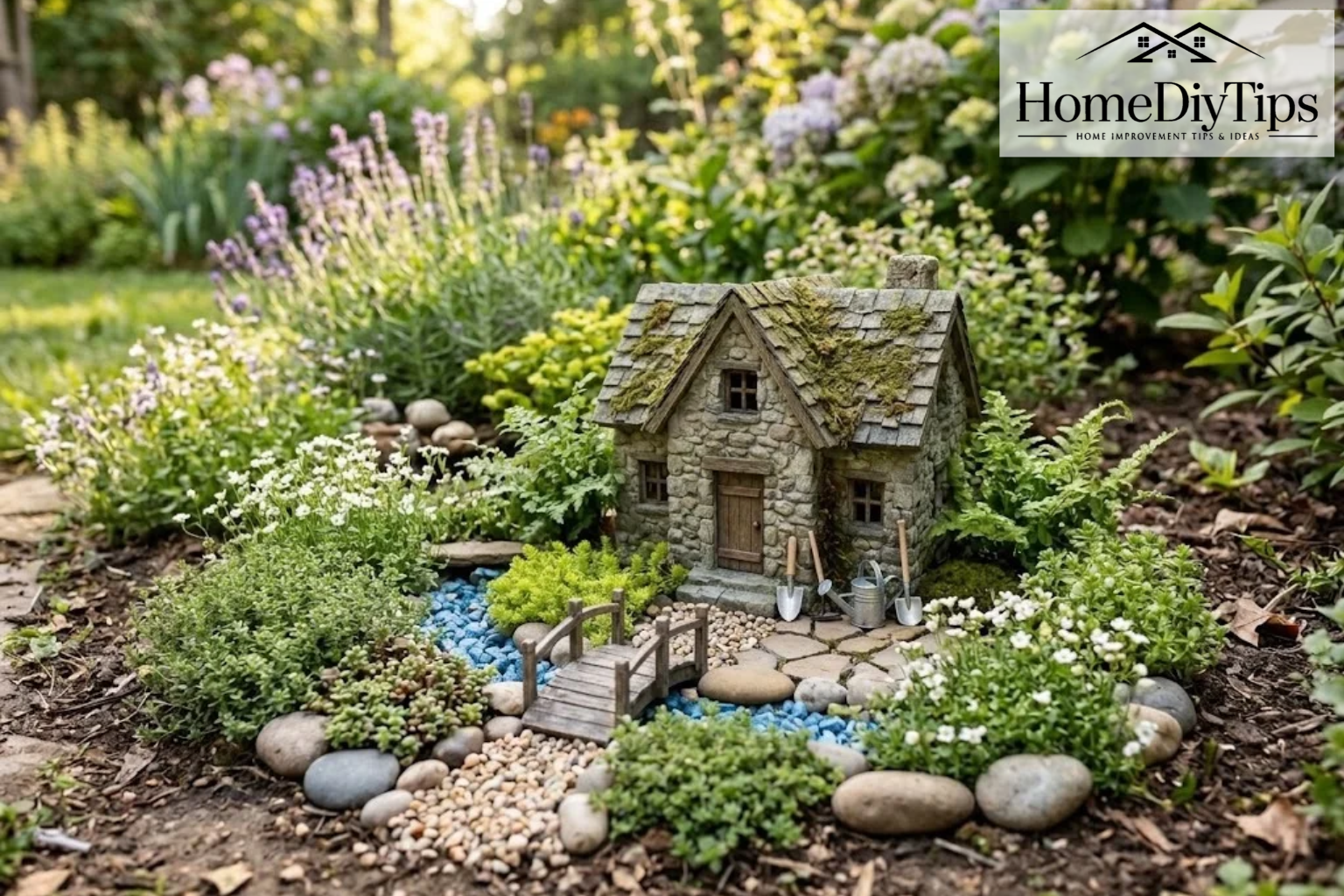
Miniature garden houses can turn an ordinary flower bed, planter, or patio corner into a small, charming landscape. You can buy a ready-made fairy house or build one yourself using suitable craft materials.
The important thing is to choose a house that fits its surroundings and can handle the conditions where you plan to display it. Some miniature houses are made for outdoor gardens, while others are indoor craft kits that need protection from rain and sunlight.
You can create a beautiful miniature garden with just one small house, a few suitable plants, and some decorative stones. You don’t need a large yard or expensive decorations to get started.
Direct Answer
Miniature garden houses are small decorative structures for fairy gardens and miniature landscapes. Choose an outdoor-rated house for exposed spaces; indoor craft kits need suitable shelter.
Experience
Before placing a house, check its outdoor-use instructions and compare its size with the mature spread of nearby plants. If its weather rating is unclear, keep it in a sheltered display rather than assuming the material is weatherproof.
What Are Miniature Garden Houses?
Miniature garden houses are small decorative structures used in fairy gardens and miniature landscapes. They often look like tiny cottages, woodland homes, stone houses, or colorful fairy cottages.
These houses give a garden a focal point. A focal point is the main feature that naturally draws someone’s attention. You can place one in a flower bed, around a tree, inside a planter, or near a garden pathway.
A miniature garden house can be part of a living garden or a simple decorative display. The difference depends on whether you use real plants, artificial plants, or only small ornaments.
Outdoor Fairy Houses vs. Indoor Miniature Craft Kits
Not every miniature house is suitable for an outdoor garden. This is one of the most important things to understand before buying one.
Outdoor fairy houses are designed for garden displays. Some use weather-resistant resin, while others are made from materials specifically selected for outdoor exposure.
Indoor miniature kits are different. They usually contain small parts that you assemble to create a detailed scene. They may include tiny furniture, windows, decorative plants, lights, and other accessories.
For example, Rolife’s Midsummer Dream Yard is a 121-piece miniature building kit with an assembled size of about 6.4 inches wide, 6.4 inches long, and 6 inches high. Its product listing describes it as a modular miniature room. It does not establish that the kit is weather-rated for outdoor use.
Before purchasing, ask yourself where the house will stay.
- For a flower bed, look for a product specifically rated for outdoor use.
- For a covered patio, a sheltered decorative piece may be suitable if its instructions allow that placement.
- For a tabletop display, an indoor miniature kit can be a better choice.
- For a container garden, consider the size of the house and the amount of space available for plant roots.
This simple distinction can prevent you from buying a beautiful decoration that does not suit its intended location.
Popular Miniature Garden House Styles
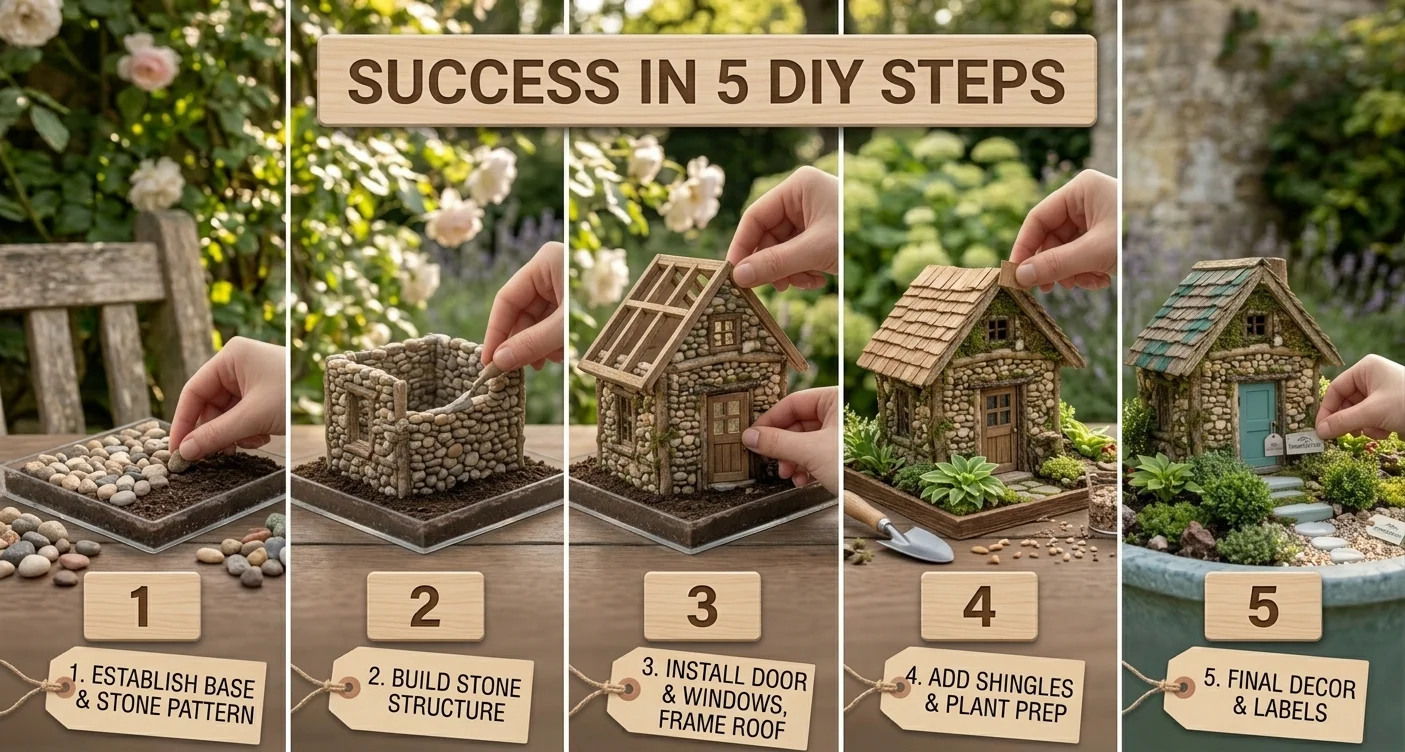
Miniature garden houses come in many shapes, colors, and designs. Your choice can change the entire feeling of a fairy garden.
Some designs look like traditional cottages, while others resemble woodland shelters or fantasy homes. Choose a style that complements the plants, container, and other decorations.
1. Cottage and Farmhouse Houses
Cottage-style miniature houses are a popular choice for traditional fairy gardens.
They often feature small wooden-looking doors, flower boxes, sloped roofs, tiny windows, and stone-style walls. Their familiar shape makes them easy to combine with flowers, miniature fences, and garden paths.
A farmhouse design can also work well in a larger planter. Add a few small stones around the entrance and use low-growing plants to create a simple yard.
Choose natural colors such as brown, cream, gray, or soft green for a traditional look.
2. Stone Cottage Houses
Stone cottage designs give miniature gardens a more natural, old-fashioned appearance.
Some ready-made houses use resin molded and painted to look like stone or stucco. This can provide the appearance of a heavy stone building without using real stone.
A useful example is the Solar English Stone Cottage listed by Plow & Hearth. The retailer describes it as a hand-painted, weather-resistant resin decoration with a solar panel that powers its window and porch lights.
The listed dimensions are approximately 9.45 inches wide, 11.22 inches high, and 7.48 inches long. These measurements help show why checking the actual size matters before adding a house to a small planter.
Plow & Hearth
3. Woodland Fairy Houses
Woodland houses look as though they belong inside a tiny forest.
Some resemble hollow tree trunks, tree stumps, or small wooden shelters. Others have curved doors, textured roofs, and natural-looking details.
These designs work nicely with woodland plants, small ferns, stones, and suitable moss.
A woodland theme often looks more natural when you use a limited range of colors. Green foliage, brown decorations, and gray stones can create a calm appearance without making the display feel crowded.
4. Mushroom and Toadstool Houses
Mushroom houses add a playful touch to fairy gardens.
They usually feature rounded roofs and small entrances. Some have bright red, pink, or orange colors, while others use softer natural shades.
You can place a small mushroom house between low-growing plants or use it as the main feature in a shallow garden container.
For a balanced look, avoid adding too many brightly colored decorations. One colorful house surrounded by simple green plants may look more attractive than several competing decorations.
5. Creative and Themed Garden Houses
Not every miniature house needs to look like a traditional building.
Fruit-shaped houses, colorful cottages, tiny shops, and fantasy buildings can create a more personal display.
These styles are particularly useful when you want a playful garden for children or a creative container decoration.
You can also build a theme around one design. For example, a small strawberry house could be surrounded by flowering plants and tiny garden accessories.
The main rule is to keep the scale consistent. A very large decoration may overwhelm a small planter.
How to Choose the Right Miniature Garden House for Outdoor Use
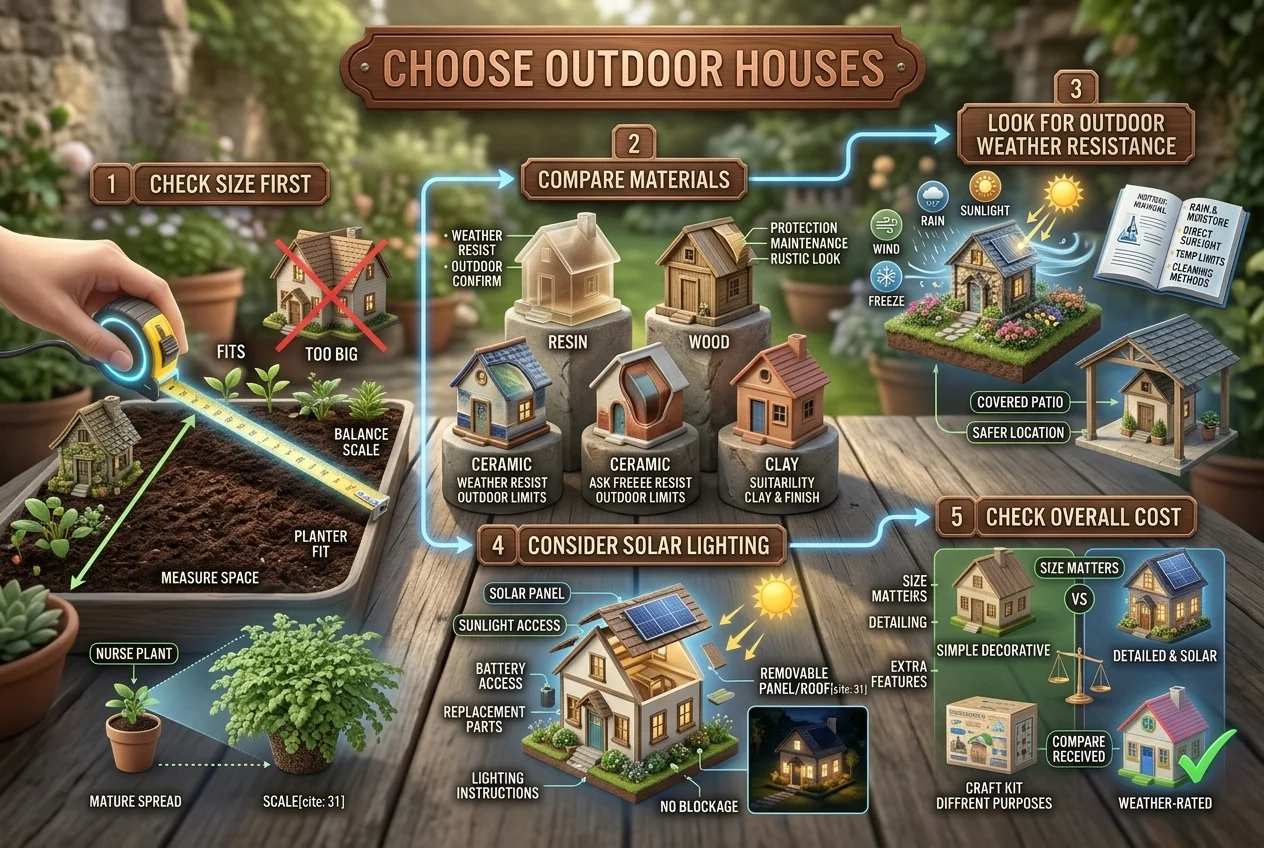
Buying a miniature garden house is easier when you consider its size, material, weather suitability, and maintenance needs before looking at decorative details.
A house may look attractive in a product photograph but still be unsuitable for your garden.
Use these checks before making a purchase.
Check the Size First
Measure the space where you plan to display the house.
Think about its width, height, and depth. Also consider how much room the surrounding plants will need.
A house should be large enough to stand out but not so large that it takes over the entire display.
For a small planter, one compact cottage may be enough. A larger garden bed can accommodate a taller house, a pathway, and several decorative features.
Remember to allow room for plant growth. A plant that looks tiny in its nursery pot may become much larger over time.
Compare the Materials
Miniature garden houses are available in several materials. Each has different uses and care needs.
|
Material |
Appearance |
What to check |
|
Resin |
Stone, wood, or painted decorative finishes |
Confirm outdoor-use and weather-resistance information |
|
Wood |
Natural, rustic appearance |
Check the product’s protection and maintenance instructions |
|
Ceramic |
Smooth, detailed, colorful designs |
Ask about outdoor exposure and freeze resistance |
|
Clay |
Handmade, earthy appearance |
Check whether the clay and finish suit outdoor conditions |
|
Plastic |
Lightweight and often colorful |
Check UV and weather suitability |
Do not assume that a house is outdoor-safe just because it is made from resin, wood, or ceramic. The finish, construction, and manufacturer’s instructions also matter.
Look for Outdoor Weather Resistance
A house placed outside may face rain, strong sunlight, wind, dust, and changing temperatures.
For a fully exposed garden, choose a product that the manufacturer identifies as suitable for outdoor use.
Check whether the instructions mention:
- Rain and moisture exposure.
- Direct sunlight.
- Temperature or freezing limits.
- Cleaning methods.
- Whether the painted surface needs special care.
If these details are missing, ask the seller or choose another product with clearer instructions.
For handmade decorations, a covered patio may be a safer location than an exposed flower bed.
Consider Solar Lighting
Some miniature garden houses include solar-powered lights.
These houses collect sunlight through a small solar panel during the day. The stored energy then powers the lights after dark.
They can make a garden display more interesting in the evening. However, the solar panel needs a suitable location where it can receive enough light.
Before buying, check:
- Where the solar panel sits.
- Whether nearby plants will block it.
- How the battery can be accessed.
- Whether replacement parts are available.
- Whether the lighting instructions explain outdoor use.
A removable panel or roof can be helpful because it may make maintenance easier.
Check the Overall Cost
The price of miniature garden houses depends on their size, material, detailing, and extra features.
A simple decorative house may cost less than a larger product with detailed painting or solar lighting. A handmade DIY project can also require extra materials, adhesive, and suitable outdoor finishes.
Compare products based on what you actually receive.
A small craft kit, for example, should not be compared directly with a weather-rated garden cottage. They are designed for different purposes.
How to Make a DIY Miniature Garden House
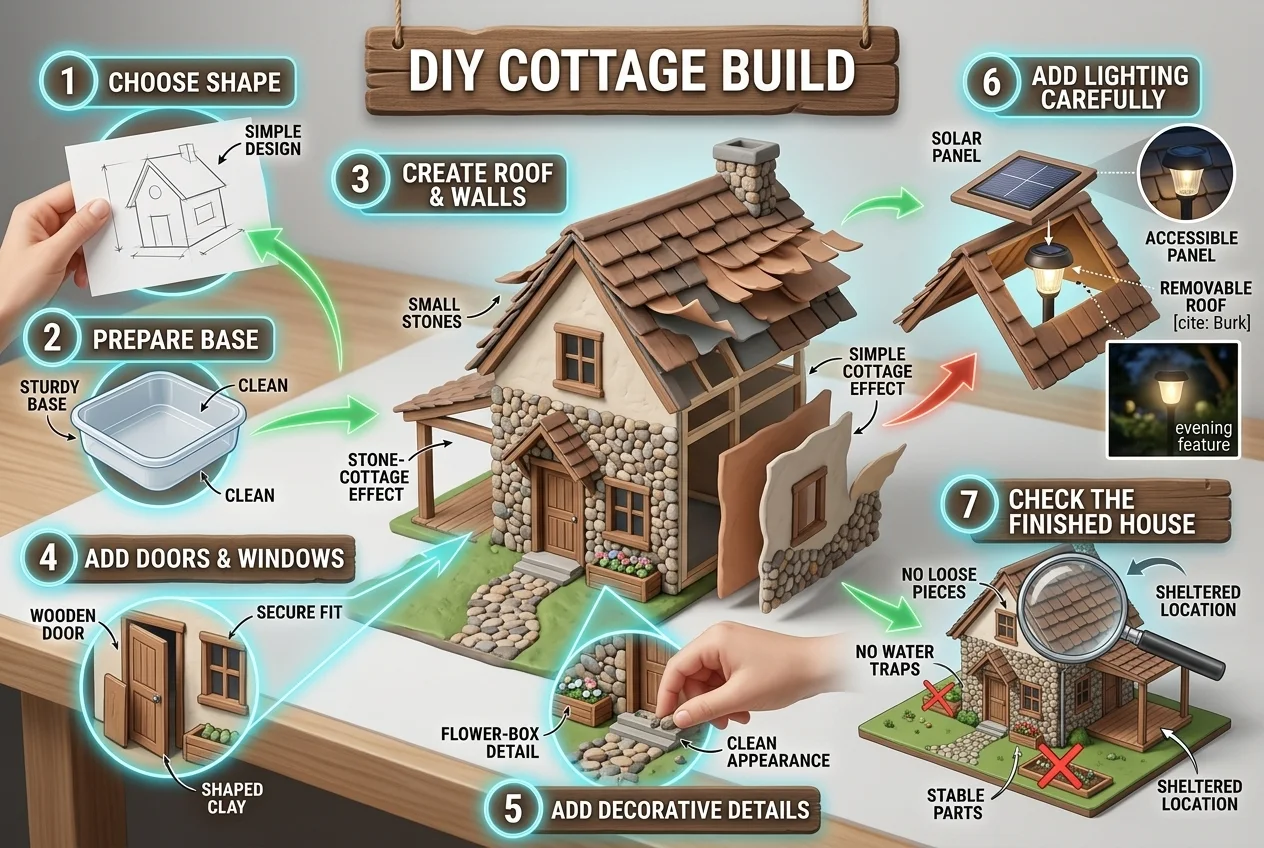
Making your own miniature garden house can be a rewarding project. You can choose its shape, colors, and details to match your garden.
A simple design is a good starting point. You do not need advanced woodworking or building skills to create a decorative miniature house.
However, choose your materials according to the display location. A craft house made with ordinary paper, cardboard, or indoor glue should not be placed in an exposed garden.
Materials You May Need
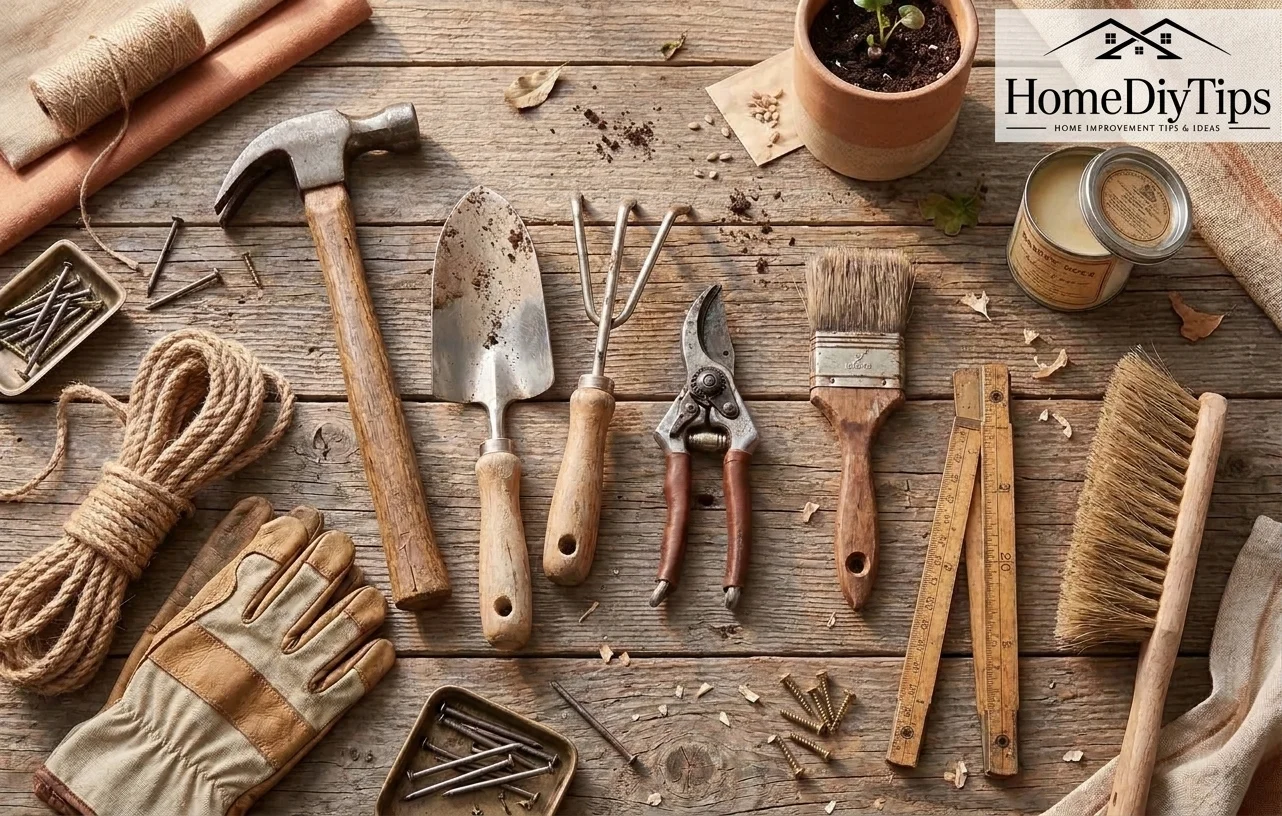
For a simple sheltered miniature house, gather:
- A small, clean plastic container or another suitable base.
- Small stones or pebbles.
- A miniature door and window pieces.
- Suitable clay or other modeling material.
- Outdoor-rated adhesive if the finished house will be exposed outside.
- Small decorative pieces.
- Paints and finishes suitable for the chosen material.
- A small solar garden light, if desired.
You can adjust the materials depending on the design. Always follow the manufacturer’s instructions for clay, paint, adhesive, and lighting products.
Simple DIY Building Steps
Step 1: Choose the House Shape
First, decide what kind of house you want to make.
A small cottage is usually easier for beginners than a complicated tree house or multi-level building.
Draw a simple outline showing the door, windows, roof, and main body. This gives you a guide while assembling the pieces.
Step 2: Prepare the Base
Choose a clean, sturdy base that holds its shape.
A recycled plastic container can work for a lightweight decorative structure. Remove its label, wash it, and let it dry completely.
Make sure the base is stable before adding decorative materials.
Step 3: Create the Roof and Walls
Attach your chosen roof and wall materials according to their instructions.
You can use small stones for a stone-cottage effect or suitable modeling material for rounded shapes and decorative details.
Keep the design simple. Too many small pieces can make the house difficult to assemble and maintain.
Step 4: Add Doors and Windows
Place the door and windows where they are easy to see.
Small wooden-looking pieces or shaped clay details can create a cottage appearance.
Check that everything is secure before moving the house. Loose decorations can fall off during handling or outdoor use.
Step 5: Add Decorative Details
Add a few stones, a small pathway, or a flower-box detail.
Try not to cover every part of the house with decorations. Leaving some plain surfaces gives the finished design a cleaner appearance.
Step 6: Add Lighting Carefully
A small solar garden light can provide an attractive evening feature.
Follow the light manufacturer’s instructions. Keep its solar panel accessible, and do not cover electrical parts with clay, glue, or decorative materials.
For a design that needs regular battery access, consider making the roof or light cover removable.
Published DIY maker Carissa Burk of Creative Green Living has demonstrated a recycled-bottle fairy house with solar lighting. One useful design detail is keeping the roof removable so the battery can be reached.
That is a helpful idea to consider when planning your own design. It is not proof that every homemade material will withstand long-term outdoor exposure.
Step 7: Check the Finished House
Before placing the house in your garden, inspect the entire structure.
Look for loose pieces, sharp edges, unstable parts, and areas where water might collect.
For an exposed display, make sure all materials and finishes are suitable for the actual weather conditions. When you cannot confirm that, use the house in a sheltered location instead.
Best Plants for a Miniature Garden
The right plants can make a miniature garden house look as though it belongs in a small natural landscape.
Choose plants based on their mature size, leaf shape, sunlight needs, and watering needs. A plant should complement the house rather than hide it.
It also explains why plants with similar light and water needs work better together.
UC Agriculture and Natural Resources
Plants for Sunny Miniature Gardens
A sunny location can support several compact plant choices, depending on the local climate and growing conditions.
Consider:
- Dwarf conifers: These can provide a small evergreen tree effect. Check the variety’s mature size.
- Creeping thyme: This low-growing herb can create a miniature lawn or soft path edge.
- Small sedums: These can provide low ground cover in a garden designed for suitable dry conditions.
- Compact flowering plants: Small varieties of petunias or marigolds can add color.
- Miniature roses: These may work in suitable sunny gardens when their mature size and care needs fit the container.
Creeping thyme and small sedums are also included among the plant ideas in the UCANR miniature gardening guide.
Plants for Shady Miniature Gardens
A shady garden needs different plants from a sunny one.
Some useful choices include:
- Small ferns: Their leafy growth can create a woodland appearance.
- Small sedges: These grass-like plants can add texture.
- Compact woodland perennials: Suitable varieties can provide seasonal flowers or foliage.
- Dwarf mondo grass: This can create a low, grassy appearance.
- Selected small-leaf foliage plants: These can add color without overwhelming the house.
Choose Plants That Match Each Other
One common mistake is combining plants that need very different amounts of water.
For example, many succulents prefer drier conditions, while ferns generally need more moisture. Putting both in one small container can make watering difficult.
Choose plants with similar needs whenever possible.
Also check the mature height and spread on the plant label. A small nursery plant may grow too large for your miniature landscape.
How to Arrange a Miniature Fairy Garden
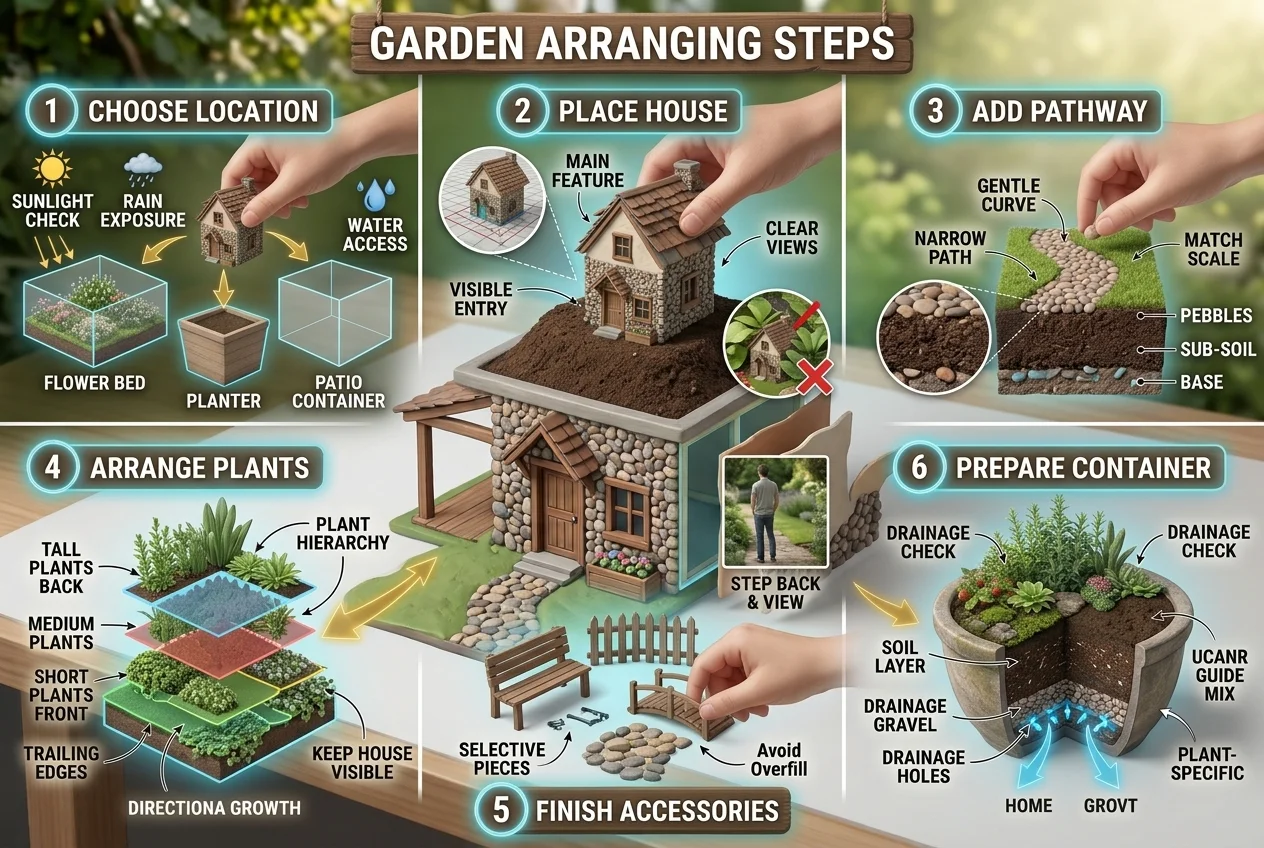
A well-arranged miniature garden should look natural and easy to understand.
Start with the house, then build the surroundings around it. You can add plants, stones, pathways, and other decorations as the design develops.
1. Choose a Suitable Location
Decide whether you want the garden in a flower bed, planter, patio container, or another garden space.
Consider the amount of sunlight, exposure to rain, and access to water.
If you rent your home, a movable planter is a practical choice. You can create an attractive display without making permanent changes to the property.
2. Place the House as the Main Feature
Put the miniature house where it can be seen clearly.
Avoid placing it directly behind tall plants. Leave enough open space around the entrance so the design remains visible.
You can place smaller decorations near the house, but do not crowd its main features.
3. Add a Small Pathway
A pathway can connect the house with the rest of the garden.
Use small stones or pebbles to create a curved walkway. A gentle curve can make a small display look more natural.
Keep the path narrow enough to match the size of the house.
4. Arrange Plants Around the House
Place taller plants toward the back and shorter plants near the front.
This arrangement helps keep the house visible.
You can also use a few trailing plants near the edges of a container. Make sure they do not spread across the pathway or cover small decorations.
5. Finish with a Few Accessories
Add a bench, tiny fence, bridge, or small stones if they support your theme.
A few carefully chosen pieces usually look better than filling every open space.
Before adding more decorations, step back and look at the whole arrangement. Check whether the house remains the main feature and whether the plants have enough room.
6. Prepare the Container Properly
If you’re creating a living fairy garden in a planter, check its drainage before adding soil.
Use a suitable potting mix rather than ordinary garden soil. The UCANR guide recommends drainage holes and plant-specific growing mixes.
How to Care for Outdoor Miniature Garden Houses
A miniature garden needs occasional attention to keep it looking balanced.
The living plants need regular care, while decorative houses need cleaning and inspection.
Water Plants According to Their Needs
Do not water every plant on the same schedule.
Check the soil and follow the requirements of each plant. Some plants prefer more moisture, while others need the soil to dry more between watering.
Container gardens often dry faster than plants growing directly in the ground. Their watering needs can increase during warm weather.
Colorado State University Extension
Trim Plants Before They Overgrow
Check the garden regularly for plants spreading over the house, pathway, or other decorations.
Trim only as needed, using clean garden scissors suitable for the plant.
If one plant repeatedly becomes too large, consider replacing it with a more compact variety.
Clean Decorative Houses Carefully
Dust and dirt can collect around doors, windows, and small roof details.
Use a soft brush or cloth to clean suitable surfaces. Follow the manufacturer’s care instructions.
Avoid soaking a decorative house that contains electrical or solar components. Keep lighting parts and battery compartments accessible.
Check for Weather Damage
Inspect outdoor miniature houses after heavy rain, strong winds, or periods of harsh sunlight.
Look for fading, cracks, loose pieces, and unstable placement.
If the manufacturer recommends seasonal storage, follow those instructions.
Do not assume that a product described as weather-resistant can remain outside under every possible weather condition.
Common Miniature Garden Mistakes and How to Avoid Them
Even a small miniature garden can become difficult to maintain when the basic choices are wrong.
Watch out for these common problems:
- Using an indoor craft kit outside.
A detailed miniature kit may look like a garden house, but that does not make it weatherproof. Check the product instructions before displaying it outdoors. - Choosing plants only by appearance.
A small plant can grow much larger over time. Check its mature size and choose compact varieties. - Ignoring sunlight requirements.
A shade-loving plant may struggle in a hot, sunny location. Match plants to the actual growing conditions. - Overcrowding the container.
Too many houses, plants, and decorations can hide the main feature. Leave open space and room for plant growth. - Forgetting drainage.
A container that holds water can damage plant roots. Use a suitable container with drainage holes. - Making a DIY house without considering weather.
Ordinary craft glue, paper, and other indoor materials may not suit an exposed garden. Use materials rated for the intended location or keep the display sheltered.
Frequently Asked Questions About Miniature Garden Houses
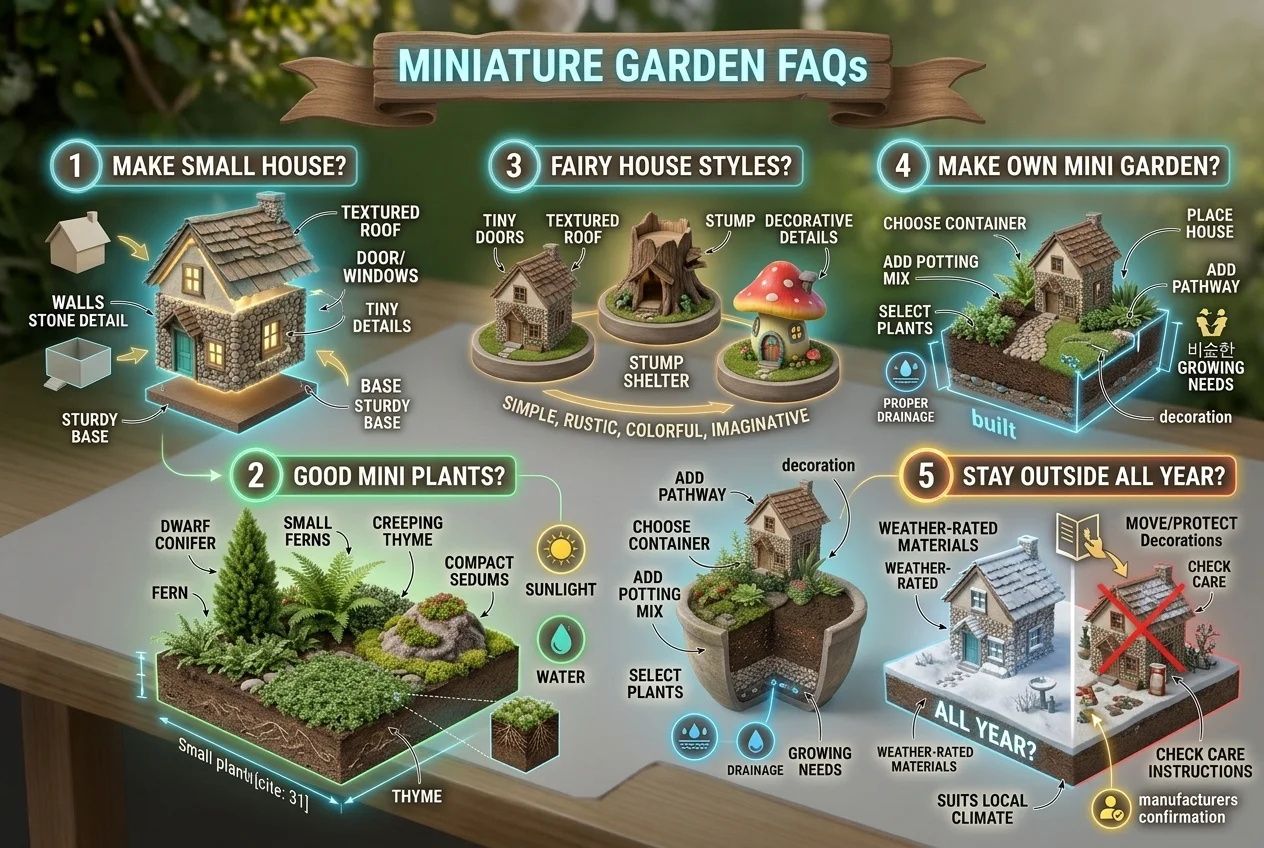
1. How Do You Make a Small Miniature House?
Start with a small, sturdy base and create simple walls and a roof. Add miniature doors, windows, stones, and other details using suitable materials. For outdoor use, choose materials and finishes specifically rated for the expected weather exposure.
2. What Are Some Good Plants for a Miniature Garden?
Dwarf conifers, small ferns, sedges, creeping thyme, and compact sedums can work well. Choose plants according to sunlight, water needs, mature size, and your local growing conditions.
3. What Do Fairy Houses Look Like?
Fairy houses often resemble tiny cottages, stone homes, tree-stump shelters, or mushroom houses. They may have small doors, windows, textured roofs, and decorative details. Their style can be simple, rustic, colorful, or imaginative.
4. How Do You Make Your Own Mini Garden?
Choose a suitable container or garden location with enough space and proper drainage. Add appropriate potting mix, select plants with similar growing needs, and place a miniature house as the main feature. Finish with a small pathway and a few decorations.
5. Can Miniature Fairy Houses Stay Outside All Year?
Some can, but not all. Only leave a house outside throughout the year when the manufacturer confirms that its materials and construction suit the local weather. Move or protect other decorations according to their care instructions.
A Simple Way to Start Your Miniature Garden
You don’t need an elaborate design to create an attractive miniature garden. Begin with one suitable house, a few compact plants, and a simple pathway.
Pay attention to sunlight, drainage, plant growth, and outdoor material ratings. Once the basic arrangement looks balanced, you can add more decorations gradually.
The best miniature garden house is one that fits your space, suits its surroundings, and remains easy to care for.
Disclaimer
This article provides general information and ideas. Plant choices, budgets, weather conditions, and garden needs vary by location and product. Always follow plant labels and manufacturer instructions before selecting materials or placing decorations outdoors.