
When people hear the word renovation, many imagine dust, builders and a frightening bill. In reality, renovation covers everything from a weekend tidy-up to a full extension, and there are rewarding projects at every price point. The trick is to match your ideas to your budget honestly, and to spend first on changes that improve daily life. These house renovation ideas for every budget are organised exactly that way.
In this guide, we will start with ideas that cost almost nothing, move on to smart mid-range upgrades, and finish with larger investments worth saving for. You will also learn how to save money without cutting corners, and how to decide which project deserves your money first. Whatever your budget, there is a sensible next step for your home.
Start Free: Ideas That Cost Almost Nothing
The cheapest renovations are often the most powerful, because they remove what is hiding your home’s best features. Start by decluttering one room at a time. Remove anything broken, unused or simply in the way, and give everything left a proper place. A decluttered room looks larger, brighter and calmer, and it costs nothing but time.
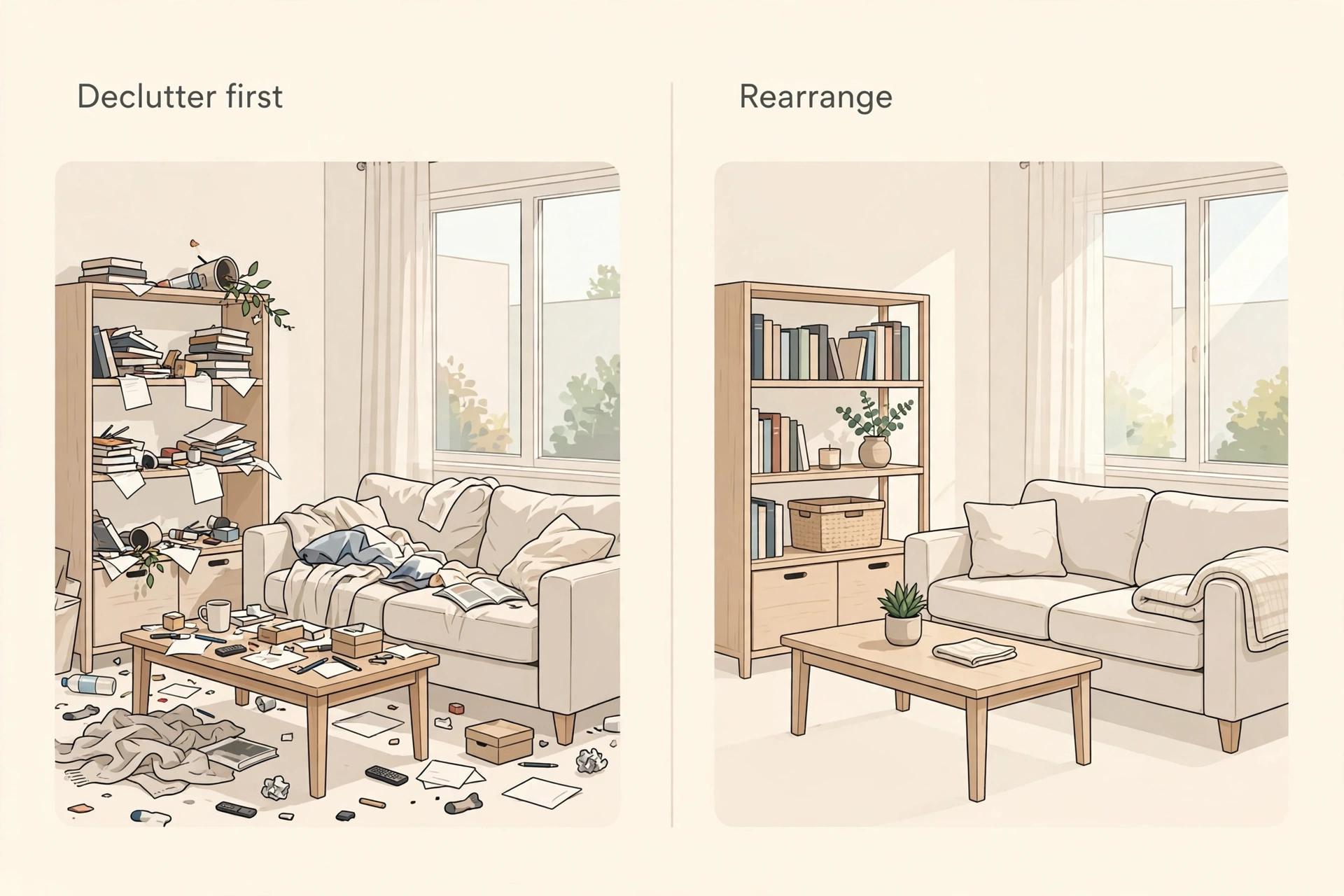
Next, rearrange the furniture. Try moving the sofa to a different wall, swapping the position of a bed and a wardrobe, or turning a dining table to catch the light. Small layout changes alter how you move through a room and can solve problems you assumed needed new furniture. Take photos before and after, and live with each arrangement for a few days before deciding.
Finally, clean deeply. Wash windows inside and out, clean light fittings, wipe down skirting boards, and polish taps and handles. Clean glass lets in noticeably more light, and a freshly cleaned room often looks freshly decorated. A good deep clean is also the perfect preparation for any paid work that follows, because tradespeople can see the true condition of the surfaces they will work on.
Low-Budget Ideas Under a Modest Spend
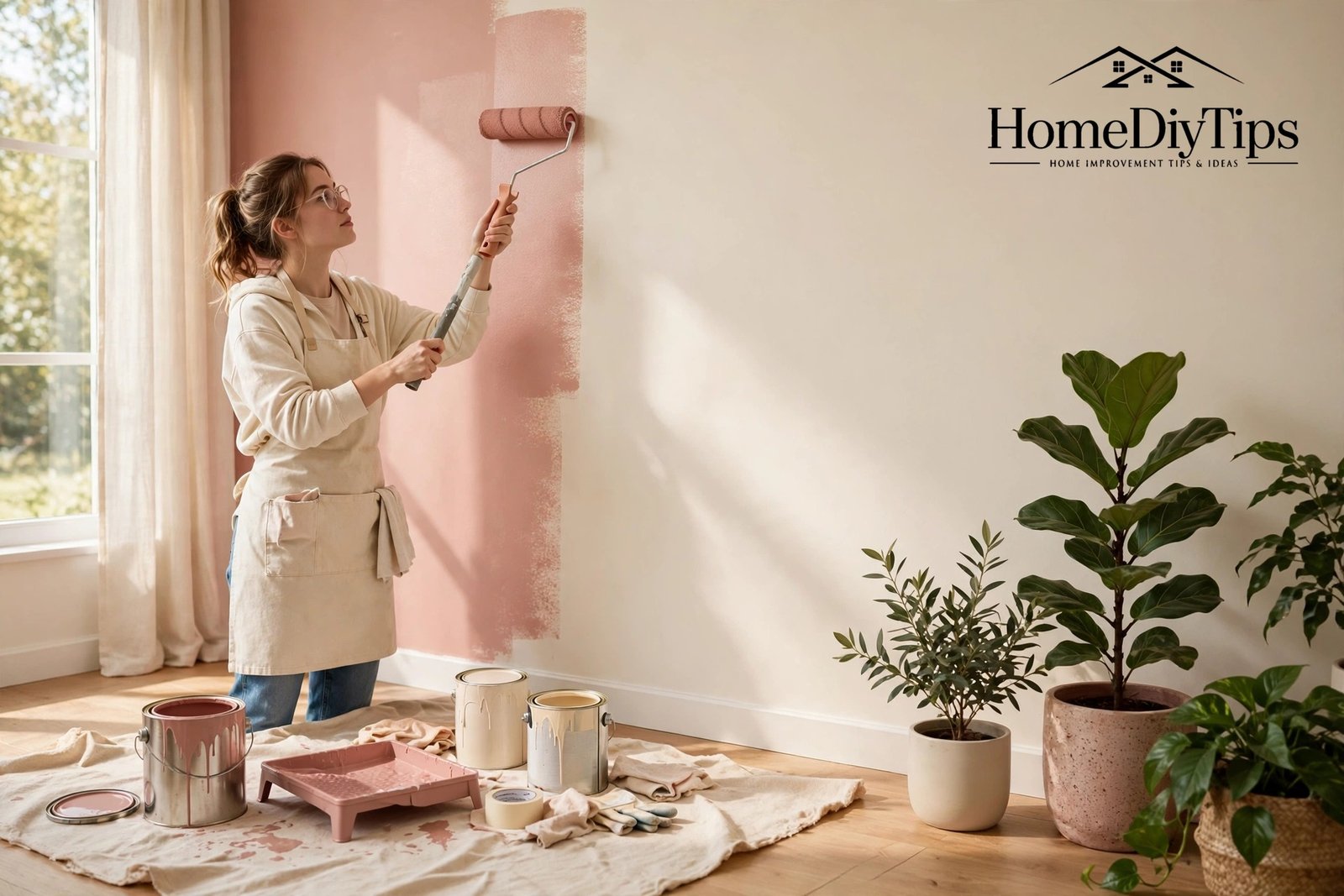
With a small budget, paint is your best friend. A single room repainted in a light, warm colour feels larger and fresher immediately. Paint is cheap, the work is beginner-friendly, and mistakes are easy to correct. For the best result, prepare properly: fill small holes, sand rough patches, and use painter’s tape on edges. Two thin coats always look better than one thick coat.

Paint, Hardware and Lighting Swaps
Small hardware swaps punch above their price. New handles on kitchen cupboards, a modern tap, a fresh toilet seat, or updated light switch plates can make a tired room feel cared for. These jobs usually need only a screwdriver and a little patience, and they are easy to reverse if you change your mind later.
Lighting upgrades are equally affordable and effective. Replace harsh white bulbs with warm ones, add a floor lamp to a dark corner, or fit a dimmer switch where the wiring allows. Good lighting flatters paint, furniture and flooring, and it changes the mood of a room from morning to evening. If you are unsure about any electrical work, hire a qualified electrician rather than guessing.
Soft furnishings complete the low-budget refresh. New cushion covers, curtains, a rug and a few plants soften hard surfaces and add colour without structural work. For room-by-room styling ideas that stay practical, our guide to living room decor ideas that actually work is a helpful companion to this section.
Mid-Range Ideas With the Biggest Payoff
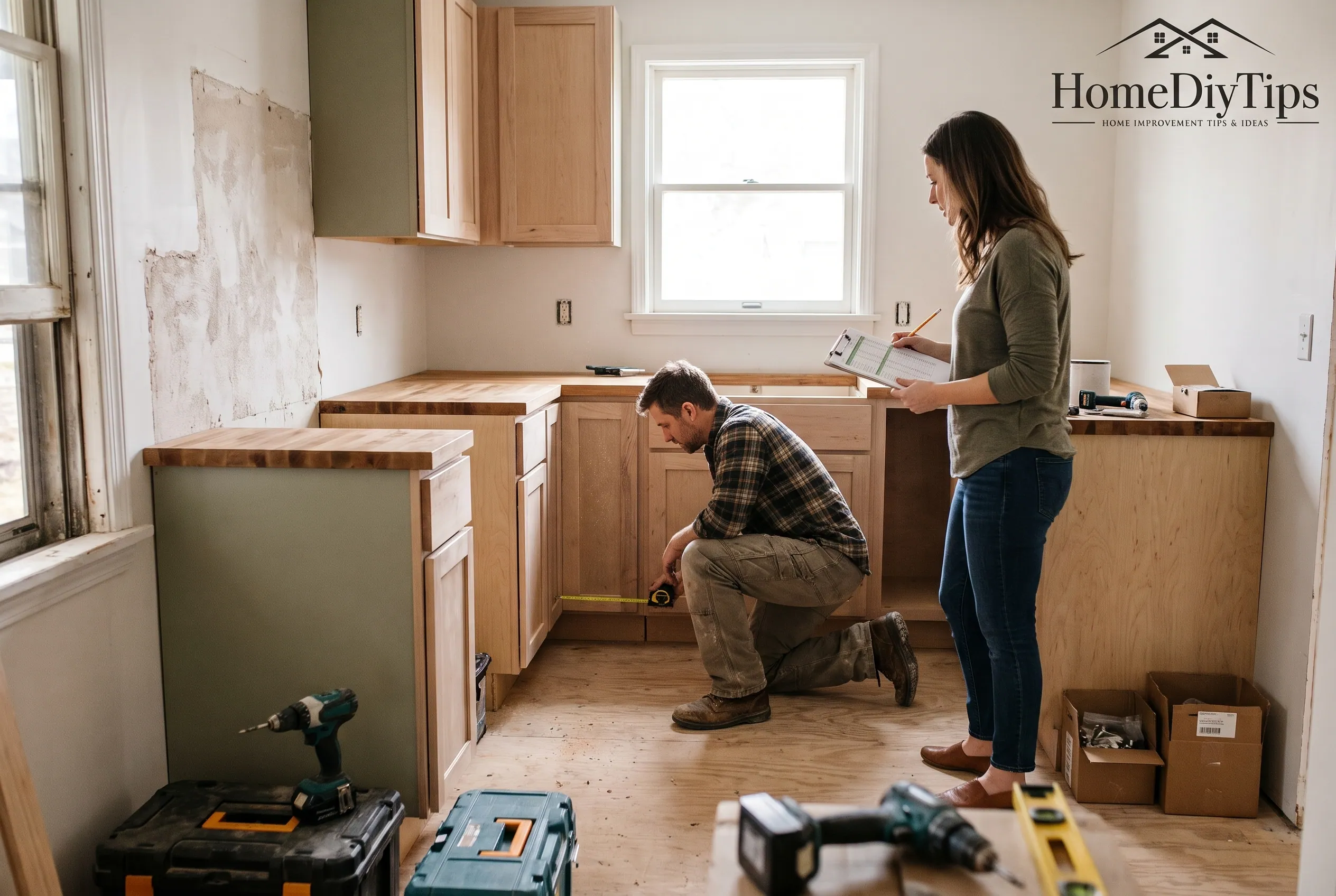
Mid-range renovation means spending enough to change how a room works, not just how it looks. The kitchen is often the best candidate. Instead of a full replacement, consider repainting or refacing cupboard doors, replacing worktops, adding a tiled splashback, and upgrading the sink and tap. These changes can make a kitchen feel new for a fraction of the cost of a complete refit.

Bathrooms offer similar value. A new shower screen, modern tiles on one feature wall, a vanity unit with storage, and a heated towel rail can transform the room. Keep the plumbing in the same place where possible, because moving pipes and drains adds cost quickly. A bathroom that is clean, bright and easy to use matters far more than luxury fittings.
Flooring is another mid-range upgrade with wide impact. Replacing worn carpet or damaged laminate in the main living areas creates a consistent, fresh feel throughout the home. Choose hard-wearing, easy-to-clean materials for hallways and kitchens, and save softer flooring for bedrooms. Good flooring also makes cleaning easier, and keeping floors in good shape pairs well with eco-friendly home care. Our guide to the best eco-friendly products for the home suggests gentler products that protect new surfaces.
Storage, Insulation and Energy Upgrades
Built-in storage is one of the smartest mid-range investments. Fitted wardrobes, hallway cupboards, under-stair storage and kitchen pantry units reduce clutter permanently, because everything finally has a home. Measure carefully, choose simple doors and finishes, and prioritise the storage you will use every day over decorative units.
Insulation and draught-proofing deserve a place in this budget range too. Loft insulation, draught excluders, radiator reflectors and sealed windows lower heating bills year after year. These upgrades are not glamorous, but they pay for themselves through comfort and savings, and they make every other renovation feel better because the house stays warmer and drier.
Flooring Choices That Last
When you replace flooring, think about the next ten years, not just the next photograph. Hallways and kitchens need hard-wearing, easy-to-clean surfaces that cope with shoes, spills and pets. Bedrooms can be softer and warmer underfoot. Always order a little extra material for cuts and future repairs, and keep a note of the exact product name and colour, because matching flooring years later is far harder than it sounds.
House Renovation Ideas for Every Budget: Larger Investments
Larger projects need careful planning, professional help and a realistic timescale. A loft conversion can add a bedroom or an office without extending the footprint of the house. A rear extension can open up the kitchen and living space and connect the home to the garden. A garage conversion can create a playroom, a study or a guest room. Each of these adds genuine usable space, which is why they are worth saving for.

Before committing to a large project, check planning rules, building regulations and the condition of the existing structure. Talk to an architect or a structural engineer early, even if only for an initial consultation. Early professional advice prevents expensive redesigns later, and it helps you understand whether your dream project is feasible on your plot and within your budget.
Get several detailed quotes, agree a written contract, and plan where you will live during the noisiest stages. Large projects always involve dust, noise and disruption, but a clear schedule, a contingency fund and a single point of contact with your builder make the process far smoother. Never pay the full amount upfront, and keep a small retention amount until snagging work is complete.
Planning Permission and Paperwork First
Check planning rules and building regulations before you fall in love with a design. Some extensions and conversions need formal permission, while others fall under permitted development rules that still carry limits on size and height. A short call to your local planning office, or an initial chat with an architect, can save months of redesign and prevent work that later has to be undone.
Room-by-Room Ideas Worth Considering
Different rooms reward different kinds of spending. In the kitchen, prioritise storage, worktop space and lighting, because those affect cooking every day. In the bathroom, prioritise waterproofing, ventilation and storage, because damp and clutter ruin an otherwise beautiful room. In bedrooms, prioritise a good bed, blackout curtains and quiet, because sleep quality affects everything else.
Living rooms reward layout and light above all. A well-placed sofa, a rug that anchors the seating area, and layered lighting make the room inviting without expensive furniture. Hallways reward mirrors, hooks and a runner rug, because they make a narrow space feel bright and organised. Gardens and balconies reward seating, lighting and plants, because they extend your living space in warmer months.
Simple handmade touches can lift any room, whatever the budget. A gallery wall, painted shelves or handmade cushions add personality that expensive items alone cannot provide. For easy projects in every room, see our guide to DIY home decor easy projects for every room, which pairs well with the renovation ideas in this guide.
How to Save Money Without Cutting Quality
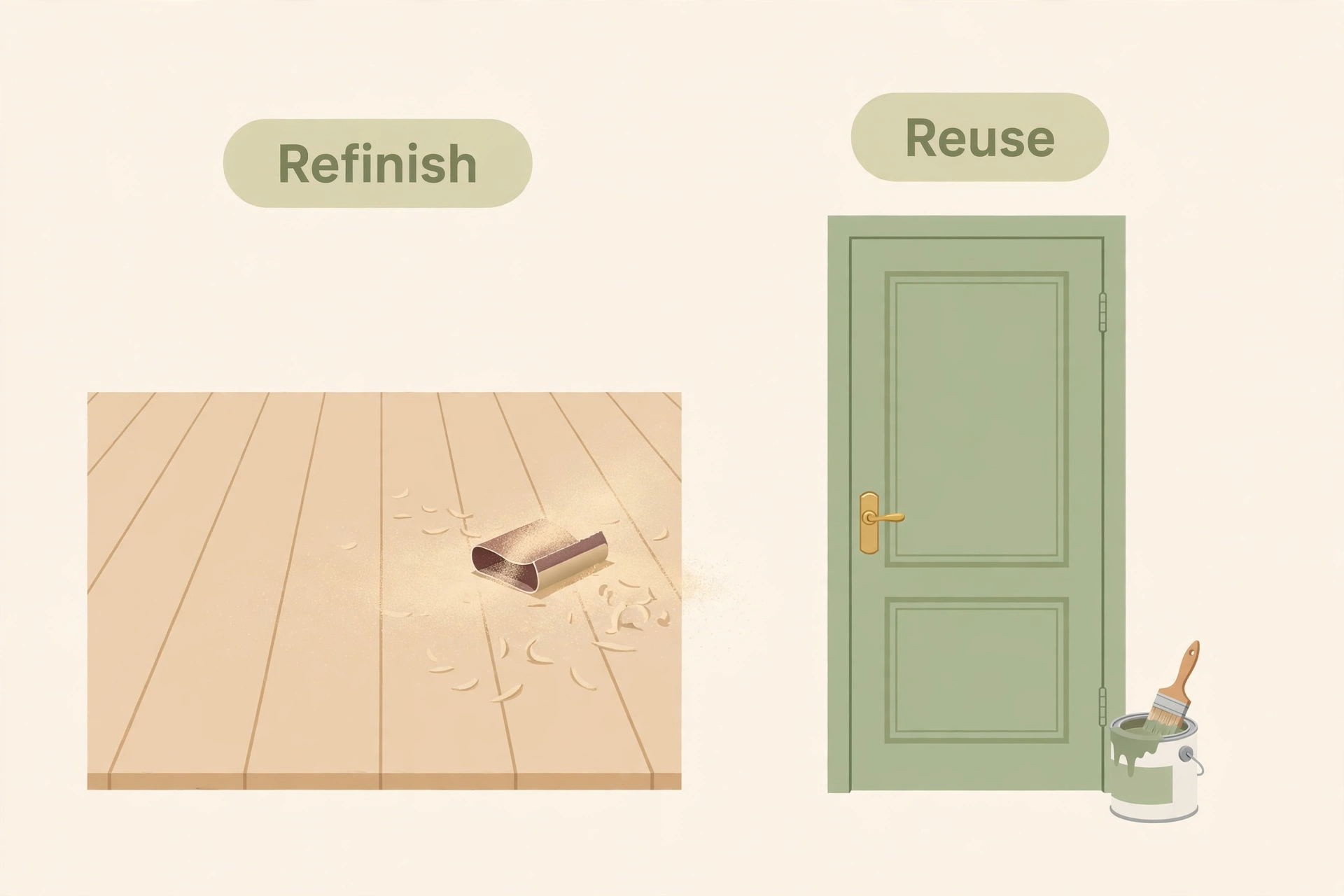
Saving money on renovation is about smart choices, not cheap shortcuts. Keep plumbing, wiring and structural elements where they are unless moving them solves a real problem. Reuse what is sound: solid doors can be repainted, wooden floors can be sanded, and good-quality cupboards can be refaced instead of replaced.
Do the finishing work yourself where it is safe. Painting, simple tiling, fitting shelves and basic decorating are all learnable skills, and they save labour costs on the most visible parts of the job. Leave gas, electrics, structural work and roofing to professionals, because mistakes there are dangerous and expensive to correct.
Outdoor spaces deserve a share of the budget too, because a usable balcony or garden extends your home in warmer months. Even a few pots, a small seat and some evening lighting can turn an overlooked corner into a favourite spot. Our guide to balcony gardening for a small space and a big harvest shows how to start small and grow the space over time.
Buy materials wisely. Compare prices, look for end-of-line deals on tiles and flooring, and order slightly more than you need to allow for cuts and breakages. Keep receipts and guarantees together, and photograph the work at each stage. Good records help with future maintenance and add confidence if you later sell the home.
| Budget Level | Example Projects | Best For |
|---|---|---|
| Almost free | Declutter, rearrange, deep clean | Instant freshness with no spending |
| Low budget | Paint, hardware, lighting, textiles | One-room refreshes and quick wins |
| Mid-range | Kitchen facelift, bathroom update, flooring | Rooms that affect daily life most |
| Larger investment | Loft, extension, garage conversion | Adding real usable space |
Finally, phase your renovation. You do not need to do everything at once. Complete the urgent repairs, then one room at a time, in order of daily impact. A phased plan keeps the home liveable, spreads the cost, and lets you learn what you actually need before spending on the next stage.
Frequently Asked Questions
Which renovation adds the most value to a home?
Kitchen and bathroom updates, extra usable space, and energy improvements usually give the best return, because buyers and occupants use them every day. However, the best project for your home is the one that fixes a real problem or adds space you genuinely need, not simply the trendiest upgrade.
Can I renovate a house on a very small budget?
Yes. Decluttering, deep cleaning, rearranging furniture and repainting one room can transform a home for very little money. Focus on light, cleanliness and layout first, then add small hardware and textile upgrades as money allows. A tidy, bright home feels renovated even before major work begins.
Should I renovate before selling my home?
Only lightly, in most cases. Fix obvious problems, repaint in neutral colours, repair anything broken, and present the home clean and tidy. Large, expensive renovations rarely return their full cost on sale, because buyers may have different tastes. Spend on presentation and repairs, not on a full redesign.
How do I choose between a loft conversion and an extension?
Consider your plot, your budget and your planning rules. A loft conversion suits homes with a usable roof space and adds a room without losing garden. An extension suits homes with garden space to spare and creates larger ground-floor living areas. A professional consultation will show which option fits your house and your needs.
What renovation mistake should beginners avoid?
The biggest mistake is starting with decoration before fixing structure, damp, plumbing and electrics. Beautiful finishes over hidden problems do not last, and redoing them costs twice. Always protect the house first, fix the services, and decorate last.

DIY Home Decor: Easy Projects for Every Room
[…] reading: House Renovation Ideas for Every Budget | DIY Home Improvement Projects for […]