
Every renovation starts the same way: you stand in the middle of your home, look around, and wonder where on earth to begin. The kitchen feels dated, the bathroom leaks a little, the paint is tired, and the garden needs work. When everything competes for attention, it is easy to start with the prettiest job instead of the most important one. That is why knowing about home renovation where to start matters so much.
The good news is that a clear order exists, and it works for almost every home. Fix what protects the house first, then what makes it safe and comfortable, and only then move on to style and decoration. In this guide, we will walk through that order step by step, help you set a realistic budget, and show you how to plan work so each stage makes the next one easier.
Start With Your Goals, Not With Shopping
Before you buy a single tin of paint, write down what you actually want from your home. Are you fixing problems so the house lasts longer? Are you making space for a growing family? Are you preparing to sell, or simply making daily life more pleasant? Each goal leads to different priorities, and a clear goal stops you from spending money on things that look nice but do not solve your real problem.
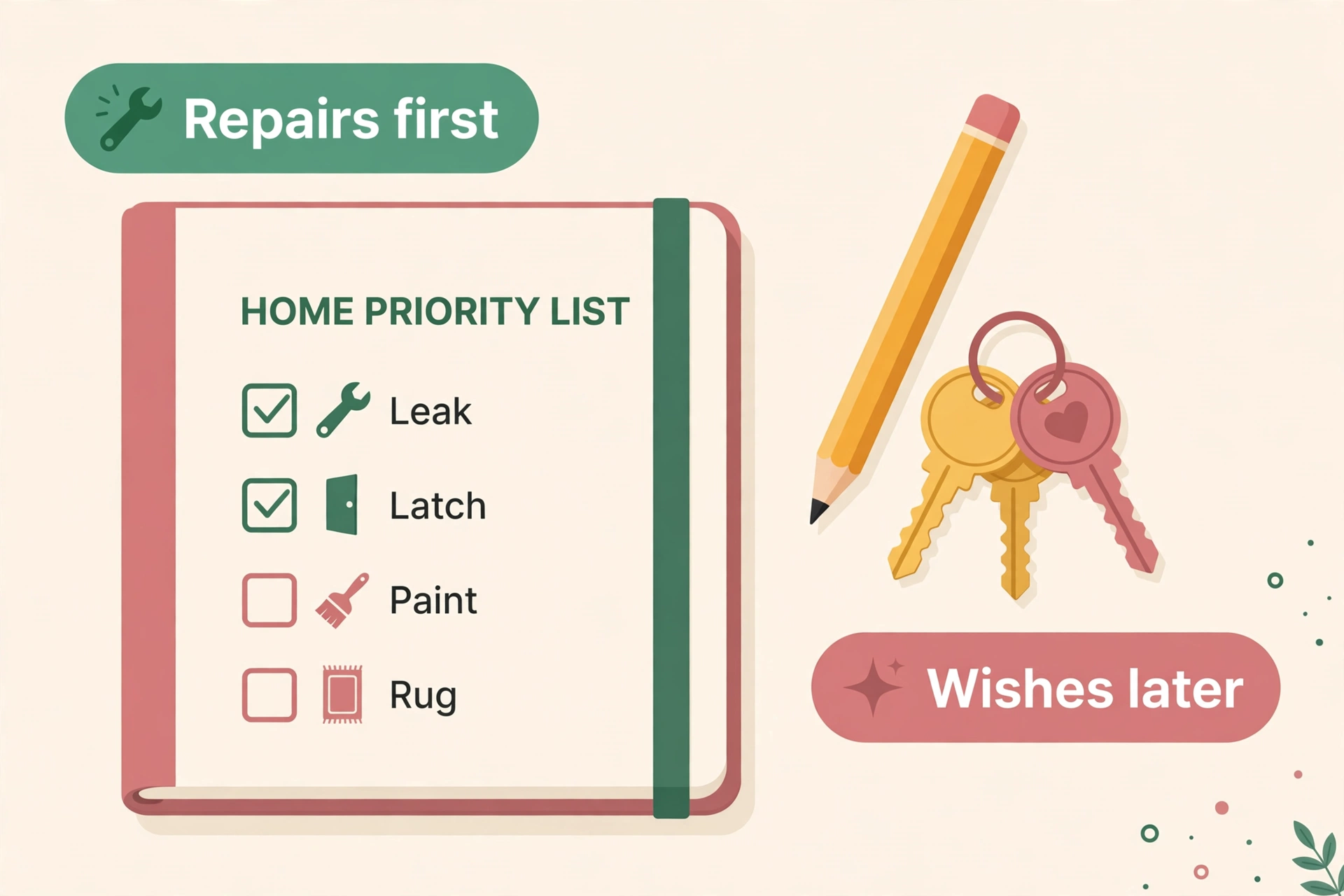
Walk through your home with a notebook and list every job, room by room. Mark each one as a repair, an improvement, or a wish. Repairs keep the house safe and dry. Improvements make it work better, such as more storage or better lighting. Wishes are the fun extras, like a feature wall or a new garden seating area. This simple sorting exercise often reveals that half your list can wait, which instantly makes the project feel manageable.
Talk to everyone who lives in the home, too. The person who cooks every day may care most about kitchen storage, while someone working from home may need a quiet room and better light. When the whole household agrees on the top three priorities, decisions get faster and arguments get rarer. Keep that short priority list visible while you plan, because it will guide every later choice.
Inspect Before You Renovate
Renovating over hidden problems wastes money. A fresh bathroom fitted over a leaking pipe, or new flooring laid over a damp subfloor, will need to be redone far sooner than it should. Before any cosmetic work, check the roof, walls, plumbing, electrics and heating. Look for damp patches, stains, draughts, sticking doors and tired wiring, and note anything you cannot judge yourself for a professional to check.
This inspection stage also helps you sequence the work correctly. Roof repairs come before loft conversions. Plumbing and wiring come before plastering and tiling. Damp treatment comes before painting. When you understand the bones of the house first, you avoid the painful experience of damaging a brand-new finish to fix an old problem hiding behind it.
If you grow plants at home, the same inspect-first habit applies outdoors. A sound structure and a tidy, usable space come before decoration. For small outdoor areas, our guide to growing herbs at home in pots shows how a simple, practical project can bring life to a balcony or windowsill once the basics are sorted.
Set a Realistic Budget and Keep a Reserve
A renovation budget is not just a total number; it is a plan for how that number will be spent. Start by pricing your urgent repairs first, then your high-priority improvements, and only then your wishes. Get at least two quotes for any major job, and ask each tradesperson to break the quote into labour and materials so you can compare fairly.
How to Divide Your Renovation Budget
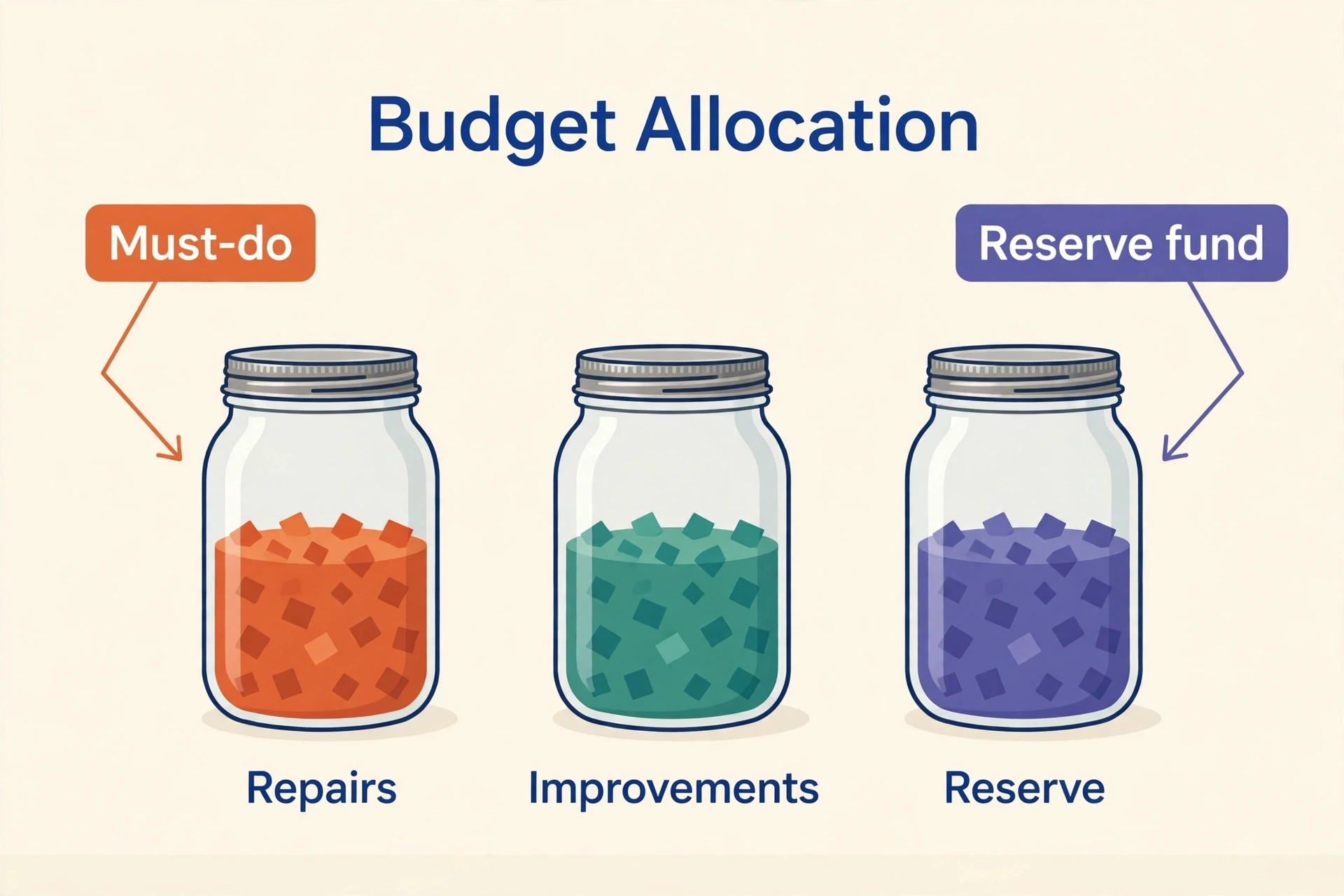
A useful starting split is to reserve 10 to 20 percent of your total budget as a contingency fund. Older homes almost always hide surprises, such as damaged plaster behind a wardrobe or worn pipes under a floor. Without a reserve, one surprise can stall the whole project. With a reserve, it becomes a manageable detour rather than a crisis.
Next, separate must-do spending from nice-to-have spending. Must-do work includes roof repairs, damp treatment, safety electrics and broken plumbing. Nice-to-have work includes upgraded finishes, decorative lighting and premium materials. If costs rise, cut from the nice-to-have list first and protect the must-do work. That discipline is what keeps renovations finished instead of half-done.
Finally, track spending as you go. A simple spreadsheet or notebook with planned cost, actual cost and remaining budget for each job keeps you honest. Review it weekly during active work. Small overruns are normal, but catching them early means you can adjust the next job rather than discovering at the end that the money has run out.
Tracking Costs While Work Is Underway
Keep every quote, receipt and invoice in one folder, paper or digital, and update your tracker on the same day money is spent. When a tradesperson suggests a change, ask for the new price in writing before agreeing, and record it against the right job. This habit takes five minutes a week and prevents the most common renovation surprise: a budget that quietly drifted while nobody was watching.
Home Renovation Where to Start: The Right Order of Work
The right order of work saves time, money and frustration. Think of it as working from the outside in, and from the hidden to the visible. Structural and weatherproofing work comes first, then services like plumbing and electrics, then walls and floors, and finally decoration and furnishing. Each stage protects the one before it.
- Protect the shell: Repair the roof, gutters, walls and drainage so water stays out.
- Fix the services: Update plumbing, wiring, heating and insulation while walls and floors are still open.
- Repair the structure: Fix floors, stairs, damp and damaged plaster before any finishing work.
- Shape the rooms: Move walls, fit kitchens and bathrooms, and lay new flooring.
- Finish and decorate: Paint, fit trims, hang lights and furnish each room.
- Clean and settle: Deep clean, test everything, and fix the small snagging items.
This order also applies within a single room. In a bathroom, for example, pipes and wiring come before tiling, and tiling comes before fitting the mirror and accessories. Skipping ahead feels faster, but it usually means undoing finished work. Patience at the start pays for itself many times over.

Prioritize the Rooms You Use Most
When the urgent repairs are handled, start with the rooms that affect your daily life the most. For most households, that means the kitchen and the main bathroom, followed by the bedroom and the living room. Improving the spaces you use every single day gives you the biggest return in comfort, even before the whole house is finished.
Consider living through the work, too. If you renovate the kitchen first, plan a temporary cooking area. If you renovate the only bathroom, arrange access to another facility or schedule the work in a short, intense block. A realistic living plan reduces stress far more than any design choice. Sometimes the smartest order is the one that keeps daily life workable, even if it is not the textbook order.
Decorating a living room is a great early win once repairs are done, because it changes how the whole home feels. For practical ideas that suit real family rooms, read our guide to living room decor ideas that actually work, which focuses on layouts and choices that survive everyday life rather than looking good only in photos.

Choose Tradespeople and Materials Carefully
Good tradespeople are worth waiting for. Ask friends and neighbours for recommendations, check recent work in person where possible, and always get a written quote with a clear scope. A good quote states what is included, what is excluded, the materials to be used, and the expected timescale. Vague quotes lead to disputes, so ask questions until everything is clear.
Questions to Ask Before You Hire Anyone
Ask how long the job will take, what could cause delays, and how changes will be priced. Ask whether they are insured and whether their work comes with a guarantee. Ask for references from recent jobs similar to yours. A professional will welcome these questions. Anyone who pressures you to decide immediately, asks for full payment upfront, or refuses to put things in writing is a warning sign.
On materials, choose durability over fashion for anything hard to replace, such as flooring, tiles and worktops. Save trend-led choices for paint, cushions and accessories that are cheap to change. Order materials early, check deliveries carefully, and store them dry and safe. Running out of tiles halfway through a bathroom, or discovering a damaged worktop on fitting day, causes delays that cost more than the materials themselves.
If your renovation includes new carpets, plan their care from the start, because clean floors make a finished room look its best. Our guide to carpet cleaning with a steam cleaner and what works explains which methods suit different carpet types and which mistakes to avoid.
Live With the Plan, Then Decorate Last
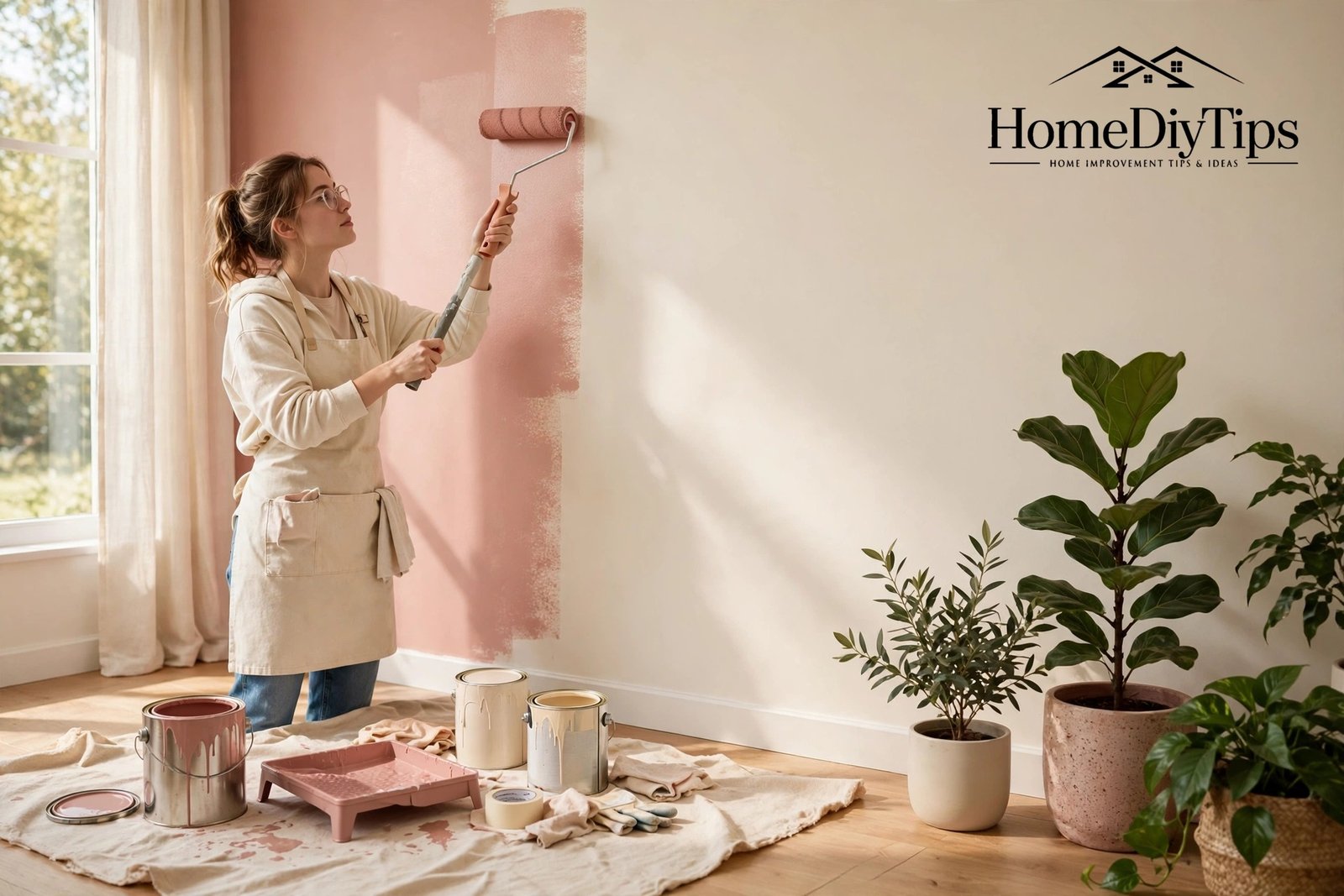
Decoration should be the reward at the end, not the starting point. Paint colours look different once flooring is down and furniture is in place. Curtains, rugs and artwork make more sense when you can see the finished room in daylight and at night. By decorating last, you choose with confidence instead of guessing.
Keeping the home clean and organised during renovation also matters. Dust gets everywhere, and a regular tidy keeps the project feeling under control. A room-by-room cleaning system helps enormously once work finishes. Our guide on how to clean your house fast with a room-by-room system is useful for the big post-renovation clean, when every surface needs attention.
Finally, accept that a renovation is rarely perfect. There will be delays, dust and decisions you revisit. Keep your priority list, your budget tracker and your contingency fund close, and judge progress by how the home works, not just how it photographs. A home that is dry, safe, warm and suited to your life is a successful renovation, even if the last decorative touches take a few extra months.

Snagging: The Final Check Before You Pay
Before the final payment, walk every finished room slowly with your original quote in hand. Test doors, taps, switches and windows, look for paint drips, uneven tiles and unfinished edges, and write down every defect, however small. Ask the tradesperson to fix this snagging list before you pay the balance, and keep a small retention amount until the list is cleared. This final check protects both sides and ends the project cleanly.
| Stage | What Happens | Why This Order |
|---|---|---|
| 1. Protect | Roof, gutters, drainage, damp | Stops water damage ruining later work |
| 2. Services | Plumbing, electrics, heating, insulation | Hidden work is easiest before finishing |
| 3. Structure | Floors, plaster, stairs, walls | Creates a sound base for new finishes |
| 4. Fit-out | Kitchen, bathroom, flooring, doors | Major items need a finished shell |
| 5. Decorate | Paint, trims, lighting, furnishing | Finishing touches last longest this way |
Frequently Asked Questions
What is the first thing to do in a home renovation?
Inspect the home and fix anything that lets water in or creates a safety risk. Roof, drainage, damp, electrics and plumbing come before all cosmetic work. Once the house is sound and dry, you can plan rooms and decoration with confidence.
How much contingency should I keep in a renovation budget?
Keep 10 to 20 percent of your total budget unspent as a reserve. Older homes need the higher end, because hidden problems are more likely. Treat the reserve as part of the budget, not as spare money, and only release it to wish-list items at the very end.
Should I renovate one room at a time or the whole house?
One room at a time suits most budgets and lets you live in the home during work. Whole-house renovation is faster overall but more disruptive and needs more money upfront. If services like wiring or plumbing run through the whole house, doing them together can still be cheaper than repeating the work room by room.
Can I do part of the renovation myself to save money?
Yes, for painting, simple decorating, demolition of non-structural items, and finishing touches. Leave gas, electrics, structural work and major plumbing to qualified professionals. A good rule is to DIY what you can redo cheaply, and hire experts for anything where a mistake could be dangerous or expensive.
How do I avoid a renovation going over budget?
Fix your priorities early, get written quotes, track spending weekly, and protect your contingency fund. Avoid changing the design halfway through a job, because changes are the most common cause of overruns. Decide the finishes before work starts, not while the tradespeople are waiting.

Home Inspection Checklist: Before You Buy or Renovate
[…] reading: Home Renovation: Where to Start and What to Prioritize | House Renovation Ideas for Every […]