Wallpaper can do much more than cover a plain wall. It can add color, introduce pattern, create a focal point, bring texture into a room, or help different parts of an open space feel connected. The key is choosing a design that suits the room, the wall surface, and the way you use the space.
If you are wondering how to use wallpaper in interior design, start with one simple question: what do you want the wallpaper to do? You might want a calm bedroom, a more welcoming living room, or a small powder room with a little personality. Once you know the result you want, it becomes easier to choose the right material, pattern, and placement.
This guide explains the main wallpaper types, how to coordinate them with furniture and colors, where they work best, and what to check before installation. You will also learn about common mistakes and the costs to consider when planning a wallpaper project in a US home.
Short Definition
Wallpaper adds color, pattern, and texture to interior spaces. Use it to create a focal point, define an area, or complement your furniture while choosing materials suited to each room.
Experience
Order a wallpaper sample before buying full rolls. Check how its color and pattern look on your actual wall in daylight and evening lighting, and test removable wallpaper in a small, inconspicuous area first.
1. What Is Wallpaper in Interior Design?
Wallpaper is a decorative wall covering made from paper, vinyl, non-woven fibers, fabric, natural materials, or a combination of these. It is available in many colors, patterns, and textures, from simple neutral finishes to large floral prints and detailed murals.
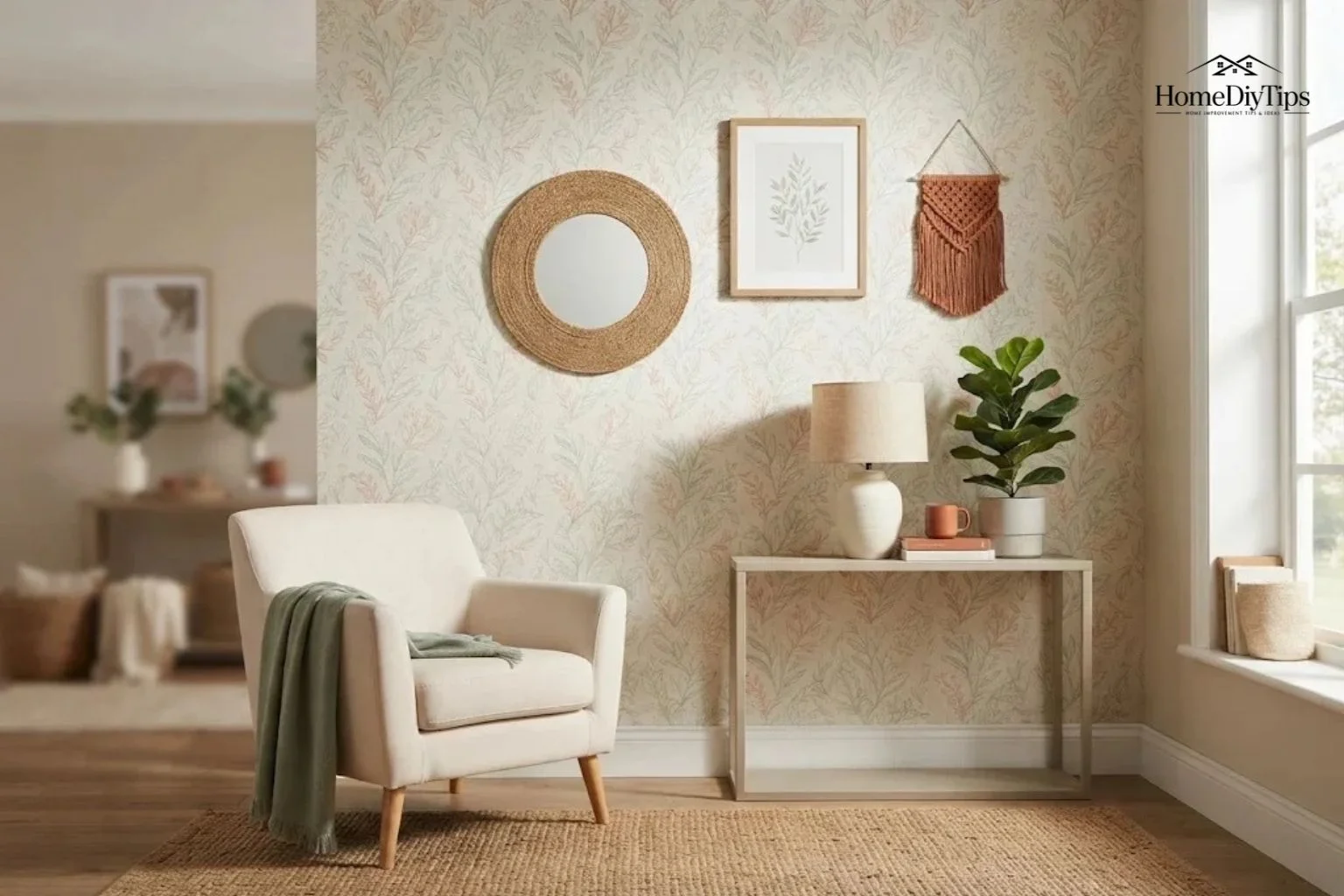
In interior design, wallpaper helps shape the look and feel of a room. Paint usually provides a solid color, while wallpaper can add several visual elements at once. A soft botanical print can make a bedroom feel relaxed. A geometric pattern can give a home office a more organized, modern look. A textured wall covering can add depth to a room with simple furniture.
Wallpaper can also help define a particular area. For example, you could use it behind a bed to create a feature wall or place it in a dining area to distinguish that space from an adjoining living room.
However, wallpaper does not automatically improve every room. A busy pattern may compete with colorful furniture, while a delicate material may not suit a high-traffic area. The best choice supports the room instead of fighting with everything already in it.
2. Which Type of Wallpaper Should You Choose?
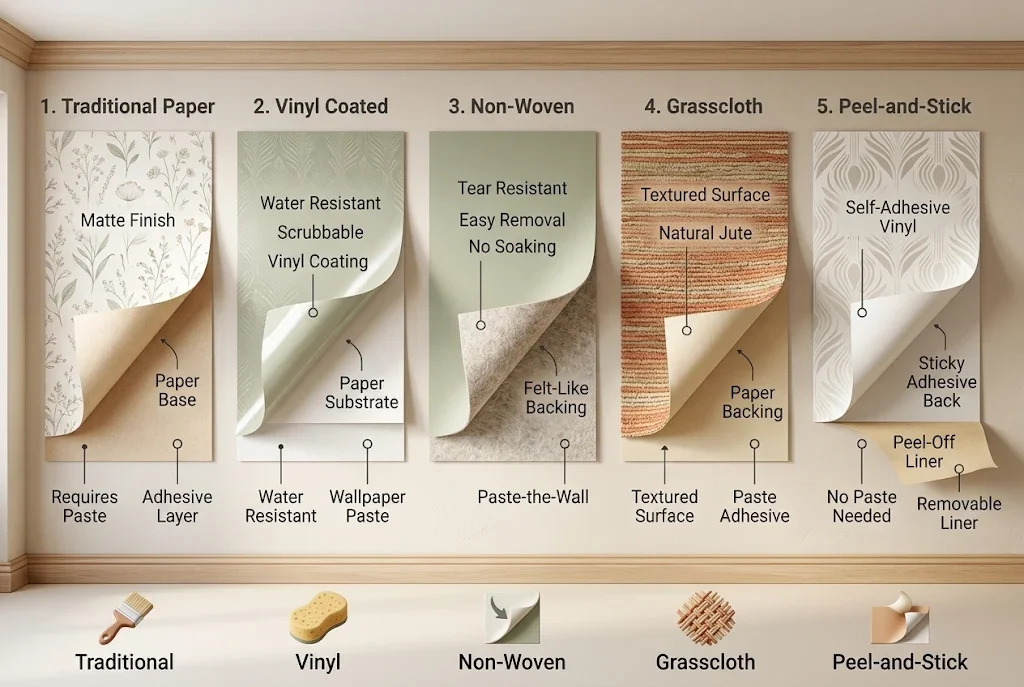
Before choosing a color or pattern, understand the main wallpaper materials. Each type has different cleaning needs, installation methods, and levels of durability.
Traditional Paper Wallpaper
Traditional paper wallpaper is printed on a paper-based surface. It comes in many decorative styles, including floral, striped, vintage, and modern patterns.
It can be a good choice for bedrooms, formal living rooms, and other areas where walls do not need frequent cleaning. Some paper wallpapers are delicate, so they may not be the best option for busy hallways, children’s play areas, or rooms where spills are common.
Check the product’s cleaning instructions before buying. Not all paper wallpaper can be wiped with a damp cloth.
Vinyl and Vinyl-Coated Wallpaper
Vinyl wallpaper has a vinyl surface, while vinyl-coated wallpaper has a paper or other backing with a vinyl coating. These products can be easier to clean than many uncoated paper options, although their performance depends on the exact product.
They are worth considering for areas where walls may need regular wiping, such as a busy hallway or some kitchen areas. Look for the manufacturer’s cleaning and moisture-resistance information rather than assuming every vinyl product is suitable for every room.
A washable surface does not mean that the wallpaper can handle direct water or constant moisture.
Non-Woven Wallpaper
Non-woven wallpaper is made from a blend of fibers. Many products are designed to be easier to handle during installation and removal than traditional paper wallpaper.
Some non-woven products use a paste-the-wall method, where adhesive is applied to the wall instead of soaking the wallpaper. This can make installation more convenient, but you should follow the instructions for the specific product.
Non-woven wallpaper is available in plain finishes, subtle patterns, and more decorative designs. It can be a practical option for bedrooms and living spaces when its care instructions suit the room.
Grasscloth and Textured Wallpaper
Grasscloth wallpaper is made from natural fibers, such as grasses and other plant materials. It gives walls a warm, organic appearance and creates texture that printed wallpaper may not fully reproduce.
It can work beautifully in a quiet living room, bedroom, reading corner, or dining space. However, natural grasscloth often has visible variations in color and texture. It may also stain more easily and can be difficult to clean.
Choose it for the appearance you want, not because you expect it to perform like a washable wall covering. Ask for a sample and review the care instructions before purchasing.
Peel-and-Stick Wallpaper
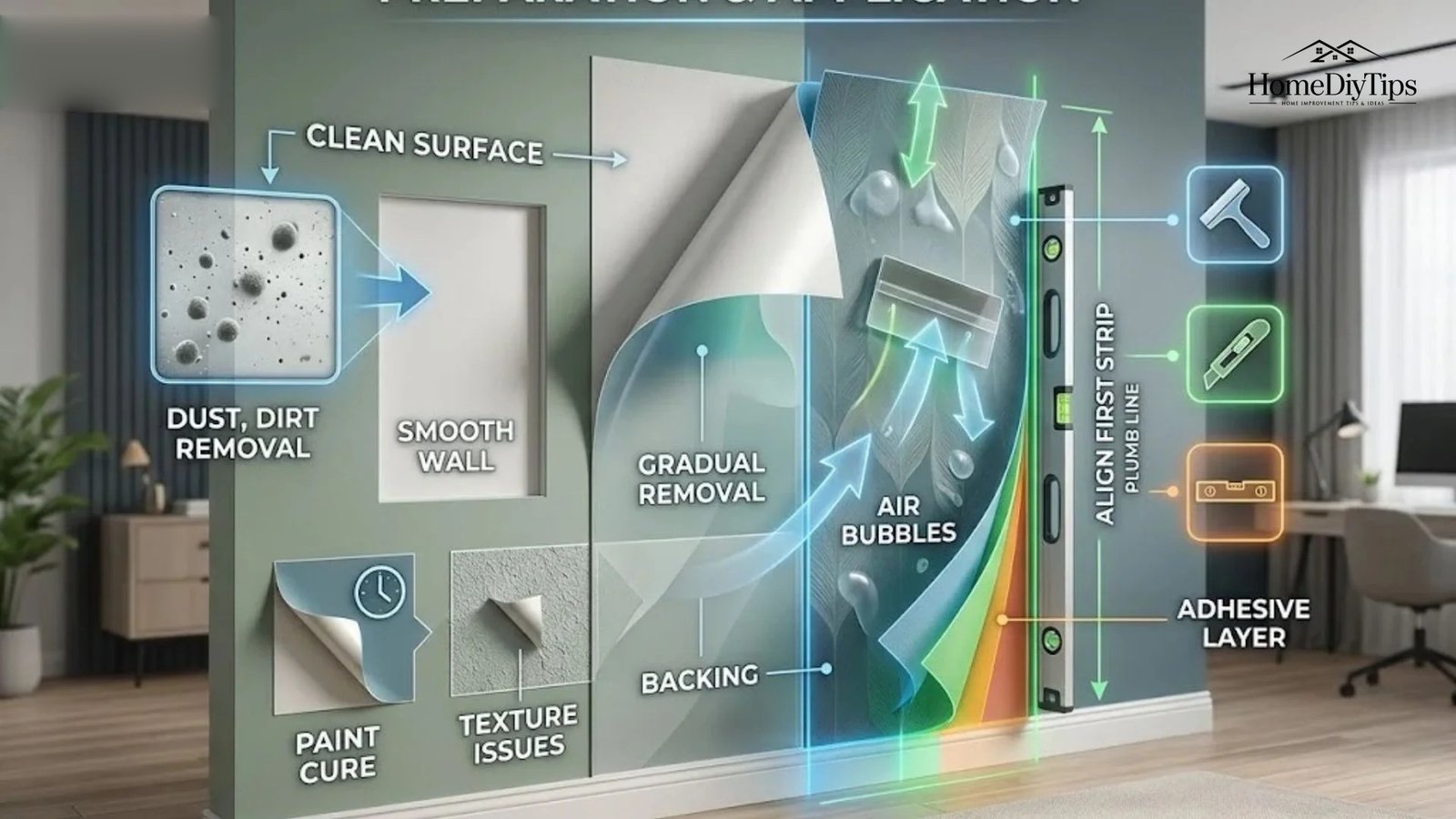
Peel-and-stick wallpaper has an adhesive backing. You remove the protective layer and apply the wallpaper directly to the prepared wall.
It is popular with renters and DIY beginners because many products are designed for easier removal than traditional pasted wallpaper. It can also be useful for a small feature wall, a temporary decorating project, or a room where you want to try a pattern before making a longer-term commitment.
However, removable does not always mean damage-free. Adhesion depends on the wall’s paint, texture, cleanliness, and condition. Some products may not stick well to rough or dusty surfaces, while others may pull away paint during removal.
Before covering a large wall, test a sample in an inconspicuous area and follow the manufacturer’s removal instructions. If you rent, check your lease and ask your landlord before making changes.
3. How to Choose Wallpaper Colors, Patterns, and Textures
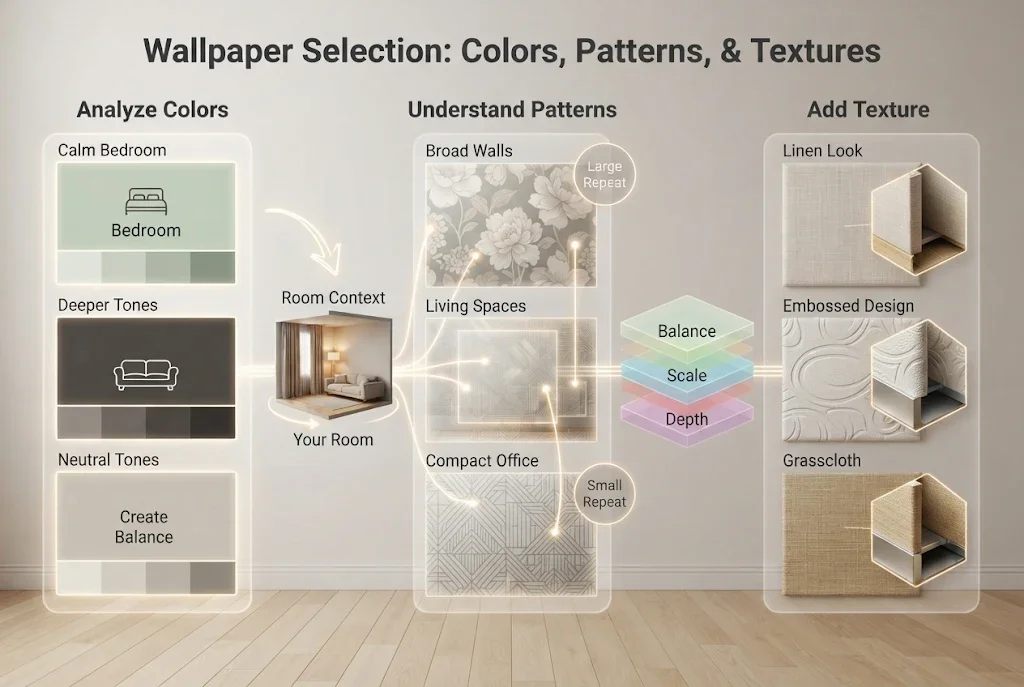
A wallpaper design may look attractive in a product photo but feel completely different in your room. Room size, natural light, existing colors, and furniture all affect how it looks after installation.
Choose Colors That Work With Your Room
Start with the colors already present in the space. Look at your flooring, furniture, curtains, rugs, and larger decorative items. Wallpaper does not need to match every item exactly, but its colors should work with the overall palette.
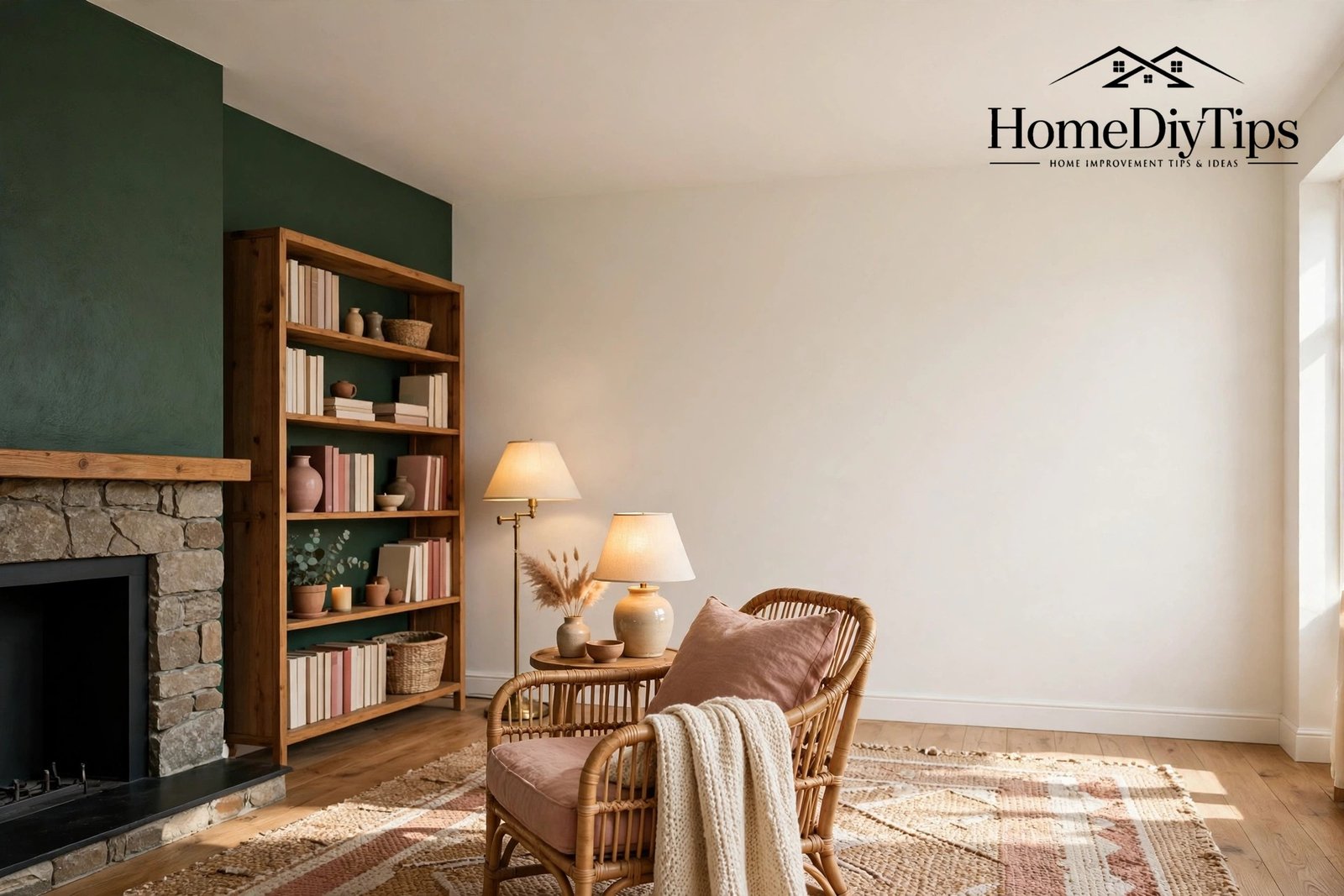
For a calm bedroom, consider soft green, warm beige, muted blue, or gentle neutral shades. In a living room with neutral furniture, a wallpaper design with deeper colors can add contrast. If the room already contains several strong colors, a quieter wallpaper may create a better balance.
Lighting also changes how colors appear. A shade that looks warm in a bright showroom may look darker in a room with small windows. Order a sample and view it at different times of day before making a decision.
Understand Patterns and Scale
Wallpaper patterns come in different sizes. Small prints can create a gentle, repeated look, while large patterns make a stronger visual statement.
Think about the viewing distance and the amount of wall space available. A large floral design may look impressive on a broad wall but feel overwhelming in a narrow hallway. A small geometric pattern may suit a compact home office where you want visual interest without a dramatic feature.
Stripes can influence how a wall is perceived. Vertical stripes may draw the eye upward, while horizontal lines can emphasize width. These effects depend on the stripe size, contrast, and the rest of the room, so treat them as design options rather than guaranteed ways to change how large a room feels.
Also check the pattern repeat. This is the distance before the printed design starts again. A large or matching pattern repeat can increase the amount of wallpaper needed because installers must line up the design across adjoining strips.
Add Texture for More Visual Interest
Wallpaper does not have to rely on printed patterns. Textured finishes can add depth while keeping the room’s colors simple.
Consider linen-look wallpaper, subtle embossed designs, grasscloth, or other textured wall coverings. These can work well in neutral rooms where you want a richer finish without adding a bold print.
If your furniture already has strong patterns or detailed surfaces, choose a quieter texture. If the room is mostly plain, a more noticeable texture may help it feel less flat.
4. Where to Use Wallpaper in Different Rooms
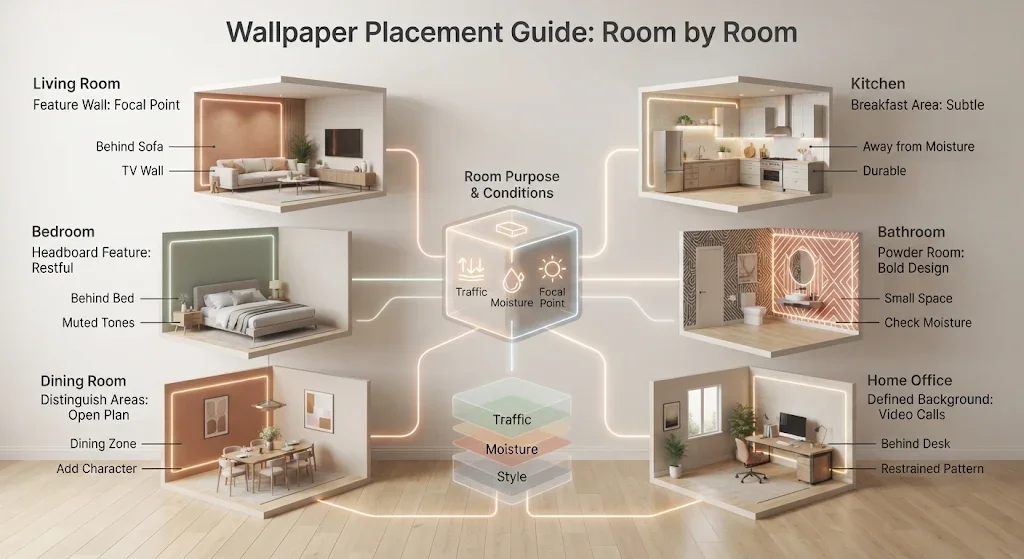
The best wallpaper placement depends on the room’s purpose, wall condition, and exposure to moisture or everyday wear. You do not need to cover every wall to make an impact.
Living Room Wallpaper Ideas
The living room is often a good place to introduce wallpaper because it gives you several placement options.
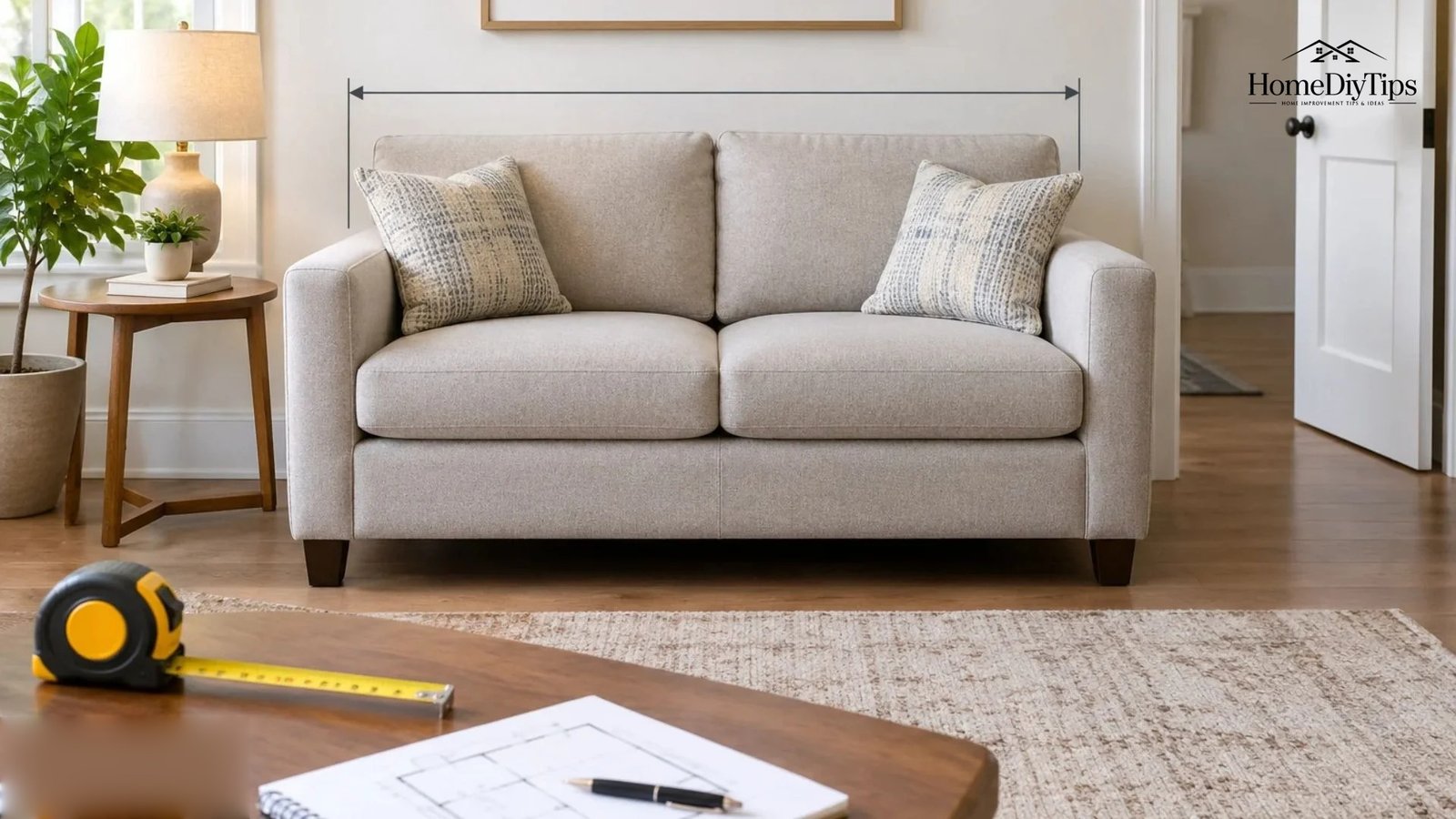
A feature wall behind the sofa can create a focal point without making the entire room feel busy. You could also use wallpaper behind a television, around a reading corner, or on a wall that is otherwise plain.
For a modern living room, try a soft geometric design, an understated botanical print, or a textured neutral finish. If your sofa has a strong color or pattern, choose wallpaper that supports it rather than competing with it.
In an open-plan home, wallpaper can also help distinguish the living area from a dining space. Use it on a clearly defined wall so the two areas feel connected but still have their own character.
Bedroom Wallpaper Ideas
Bedrooms are suitable for many wallpaper styles because they are generally lower-traffic spaces.
One popular option is to place wallpaper behind the headboard. This creates a natural focal point and frames the bed without requiring decoration on every wall.
For a restful look, consider soft botanical prints, gentle stripes, subtle textures, or muted colors. If you prefer a dramatic bedroom, a darker pattern can work well when balanced with suitable lighting and lighter bedding.
Think about the height of the headboard and the position of bedside tables before selecting a design. A pattern hidden behind tall furniture may not have the effect you expect.
Dining Room and Kitchen Wallpaper
Wallpaper can give a dining room a more finished appearance. A patterned wall behind a dining table can create a setting for meals and gatherings. Depending on the furniture and lighting, traditional prints, botanical designs, and textured finishes can all work.
Kitchens require more care. Heat, cooking grease, splashes, and frequent cleaning can affect wall coverings. If you want wallpaper in a kitchen, choose a product specifically recommended for the location and keep it away from areas exposed to direct heat or regular splashing.
A small breakfast area or a wall away from the stove and sink may be a more practical place to use it.
Bathroom and Powder Room Wallpaper
A powder room can be an excellent place for a bold wallpaper design. These rooms are often smaller and may have less moisture exposure than a full bathroom with a shower.
A full bathroom needs more careful planning. Humidity, condensation, and poor ventilation can cause problems for unsuitable wall coverings. Use only products approved by their manufacturers for the intended bathroom conditions, and make sure the room has suitable ventilation.
Do not install ordinary decorative wallpaper in a shower area or on a surface exposed to constant water. Even a product described as washable may not be designed for that use.
Hallways and Home Offices
Hallways often have plain walls that can benefit from a little color or pattern. A subtle striped design, small repeating print, or durable wall covering can make the space feel more considered.
Because hallways experience regular contact from people, bags, and furniture, choose a material with care instructions suited to the amount of use.
In a home office, wallpaper can create a more defined background behind a desk or video-call area. A restrained geometric pattern, muted color, or simple texture can add interest without becoming distracting.
5. How to Use Wallpaper in Small Rooms
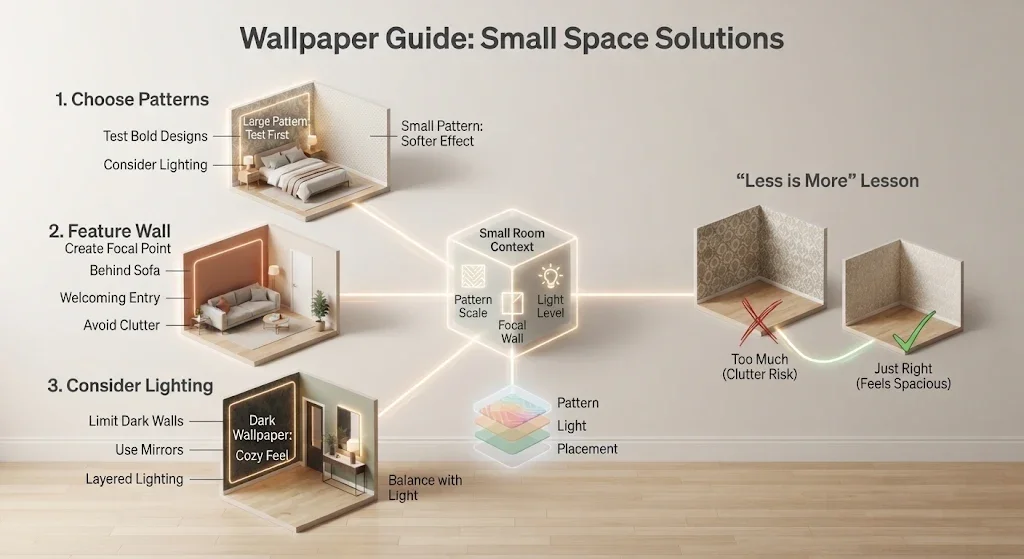
Small rooms do not have to avoid wallpaper. The important thing is to choose the right pattern and decide how much of the room to cover.
Choose Patterns Carefully
Large patterns can make a strong statement in a small space, but they can also dominate if the room already contains many visual details. If you like a bold design, test a sample on the wall and look at it from the doorway.
Smaller patterns and low-contrast designs can create a softer effect. Neither option is automatically better; the room’s lighting, ceiling height, and furniture matter.
Use Wallpaper on One Feature Wall
A single wallpapered wall is a simple way to introduce pattern without covering every surface.
In a small bedroom, use it behind the bed. In a compact living room, consider the wall behind a sofa. In a narrow entryway, a carefully chosen pattern can make the entrance feel more welcoming.
A feature wall works best when the other walls and larger furniture pieces do not compete for attention.
Consider Lighting and Wall Colors
Dark wallpaper can create a cozy atmosphere, but a small room with limited natural light may feel heavier if every wall is covered in a deep shade.
If you prefer darker designs, try using them on one wall and keeping nearby surfaces lighter. Mirrors, layered lighting, and uncluttered furniture can also help the room feel balanced.
Do not choose a wallpaper color based only on how it looks online. Check a physical sample in the actual room.
6. How to Match Wallpaper With Furniture and Home Decor
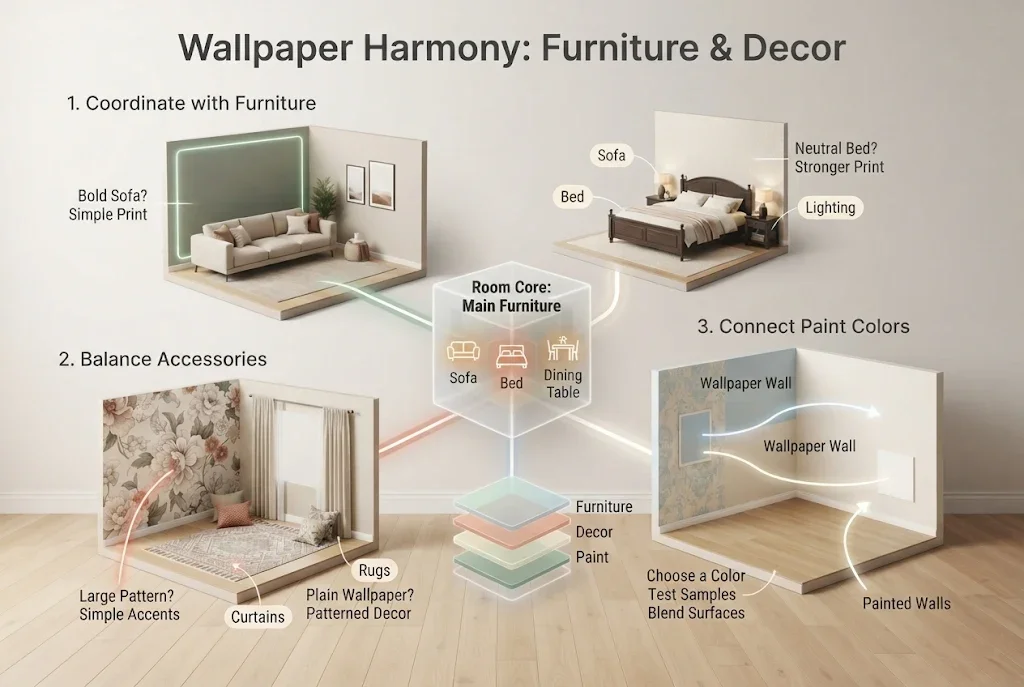
Wallpaper should feel like part of the room’s overall design. It does not need to match everything, but it should connect with the main colors and finishes.
Coordinate Wallpaper With Furniture
Look at the largest furniture pieces first. These may include a sofa, bed, dining table, or wardrobe.
If the furniture has a bold color, a simple wallpaper pattern may be easier to coordinate. If the furniture is neutral, you have more freedom to choose a stronger print.
For example, a beige sofa could work with a muted green botanical wallpaper. A dark wooden bed may look good against a soft cream or textured neutral design. These are starting points, not fixed rules; always consider the room’s lighting and other finishes.
Balance Curtains, Rugs, and Accessories
Curtains, rugs, cushions, and artwork can either support or compete with wallpaper.
If your wallpaper has a large floral pattern, choose simpler curtains and cushions. If the wallpaper is plain or lightly textured, patterned accessories may add variety.
You can repeat one or two colors from the wallpaper in smaller items around the room. This creates a visual connection without making everything look identical.
Use Wallpaper With Existing Paint Colors
If you are wallpapering only one wall, check how the remaining painted walls will look beside it. A color taken from the wallpaper pattern can help connect the surfaces.
For example, if your wallpaper includes soft blue and cream, a warm white or suitable pale blue paint may work on the other walls. Test paint samples and wallpaper together before committing.
Avoid choosing a paint color from a screen image alone. Printed wallpaper and paint can look different under natural and artificial light.
7. How Much Does Wallpaper Cost?
Wallpaper costs depend on the material, the size of the area, the wall condition, and whether you install it yourself or hire a professional.
For a broad US planning estimate, Angi’s October 2026 guide places professional installation for a standard room at about $325 to $825, including materials and labor. It also notes that wall preparation, such as removing old wallpaper or repairing damaged surfaces, may add around $50 to $300 per wall. These figures are estimates, not guaranteed prices. Your local market and project details may change the total.
Wallpaper Material and Installation Costs
The material itself can range from relatively affordable paper or peel-and-stick products to more expensive natural, fabric, or custom designs.
Your total budget may include:
- Wallpaper rolls or panels.
- Adhesive, if the product requires it.
- Primer and wall-preparation supplies.
- Tools for measuring, cutting, and smoothing.
- Professional installation labor.
- Removal of old wallpaper, if necessary.
- Repairs to damaged or uneven walls.
Do not calculate the quantity from the wall’s square footage alone. Pattern matching, windows, doors, and cutting waste can affect how many rolls you need. Check the manufacturer’s coverage information and pattern repeat, then ask the retailer or installer to confirm the quantity.
Factors That Affect Your Budget
A simple accent wall is usually less expensive than covering an entire room. Tall ceilings, unusual wall shapes, many corners, large pattern repeats, and delicate materials can increase the time and material required.
DIY installation can reduce labor costs, but mistakes may waste wallpaper or damage the wall. Professional installation costs more, but it may be worthwhile for expensive materials, large rooms, or complex patterns.
Get a written estimate that separates materials, labor, wall preparation, and old-wallpaper removal. This makes it easier to compare quotes fairly.
8. What to Check Before Installing Wallpaper
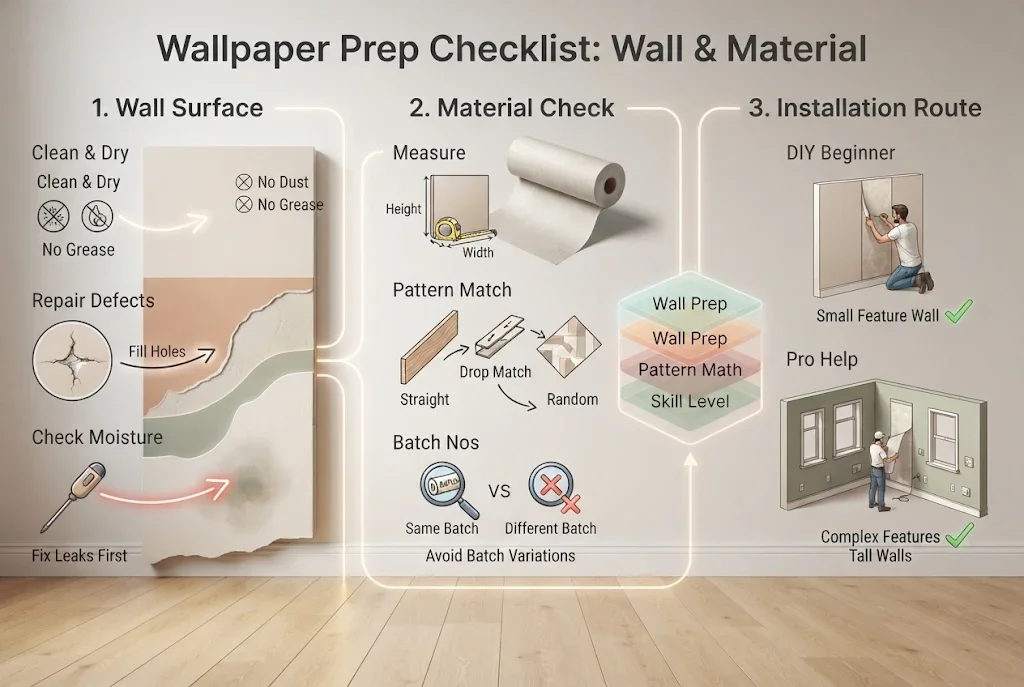
Good preparation helps wallpaper look better and stay in place. Before opening the rolls, check the wall and the product instructions.
Check and Prepare the Wall
The wall should be clean, dry, and suitable for the chosen wallpaper. Dust, grease, loose paint, holes, and uneven areas can affect the finish or adhesion.
Repair small defects and follow the wallpaper manufacturer’s instructions for priming. Some products require a particular primer or wall preparation method.
Do not cover a damp wall or use wallpaper to hide a leak. Fix the source of moisture first. If you find persistent dampness, mold, or significant wall damage, deal with the underlying problem before decorating. Seek qualified help when the cause or repair is beyond your skills.
Measure Walls and Understand Pattern Repeats
Measure the height and width of each wall you plan to cover. Note windows, doors, built-in shelves, and other openings, but do not assume they eliminate all material waste.
Check whether the wallpaper has a straight match, a drop match, or no pattern match. A drop match means the pattern shifts between adjoining strips, so more material may be needed to keep the design aligned.
Order enough wallpaper from the same batch when possible. Different production batches can have slight color variations. Keeping an extra piece for future repairs can also be useful.
Know When to Choose DIY or Professional Installation
A small, straight feature wall may be manageable for a careful beginner, particularly with a product designed for easy installation.
A professional may be a better choice if:
- The wallpaper has a large or complex pattern repeat.
- The walls are unusually tall or uneven.
- The material is delicate, expensive, or difficult to handle.
- The room has many corners, windows, or built-in features.
- You need old wallpaper removed or wall damage repaired.
If your project involves removing outlet or switch covers, turn off the correct electrical circuit first and follow safe procedures. Do not work on live electrical components. If you are unsure, ask a qualified electrician.
9. Common Wallpaper Decorating Mistakes to Avoid
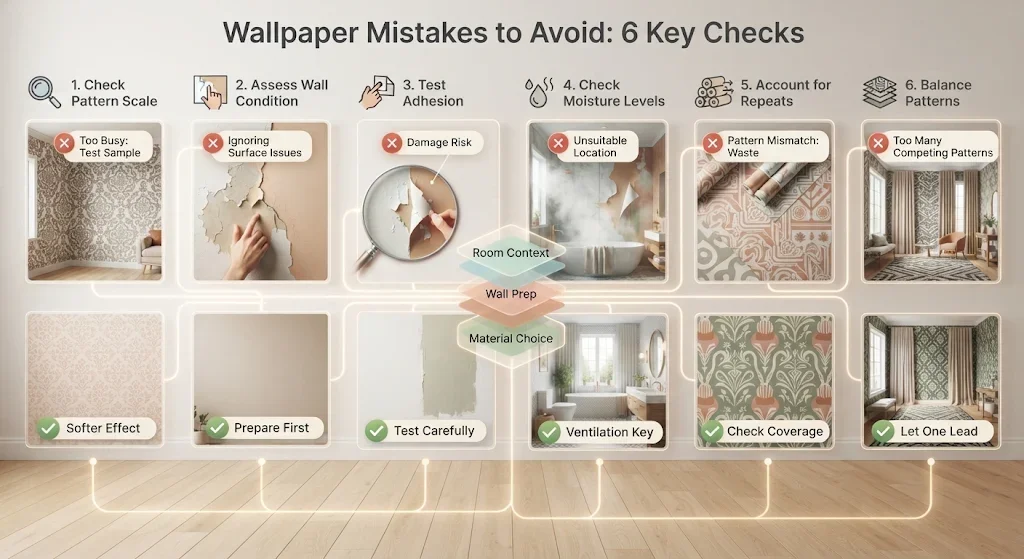
A few simple checks can prevent disappointing results.
Choosing a pattern before checking the room: A design may look beautiful online but feel too busy in your space. Order samples and view them on the actual wall.
Ignoring the wall condition: Wallpaper will not solve dampness, peeling paint, or damaged plaster. Prepare the surface first.
Assuming removable wallpaper is damage-free: Adhesive can affect paint, especially on poorly prepared or delicate surfaces. Test it and follow the product’s removal guidance.
Using unsuitable wallpaper in a bathroom: Moisture and condensation can damage products that are not designed for those conditions. Check the manufacturer’s recommendations and maintain good ventilation.
Forgetting pattern repeat and waste: A large print may need more rolls than a plain design. Check the coverage and matching instructions before ordering.
Using too many competing patterns: Wallpaper, curtains, rugs, and cushions do not all need to make a strong statement. Let one element lead and keep the others more restrained.
Buying without checking a sample: Screen colors can differ from printed materials. View a sample in daylight and under your normal evening lighting.
10. Frequently Asked Questions About Using Wallpaper
What Is Wallpaper in Interior Design?
Wallpaper is a decorative covering applied to interior walls. It adds color, pattern, texture, or visual interest and can help create a focal point or define an area. Common materials include paper, vinyl, non-woven fibers, fabric, and natural grasscloth.
Where Should You Put Wallpaper in a Living Room?
A wall behind the sofa is a popular choice because it creates a natural focal point. You can also use wallpaper behind a television, in a reading corner, or on a wall that separates the living area from another space. Choose a pattern that works with your furniture, flooring, and lighting.
Is Wallpaper Better Than Paint?
Neither is always better. Paint is usually simpler to refresh and offers a wide range of solid colors. Wallpaper provides patterns and textures that paint may not reproduce easily. Your choice depends on your budget, design goals, wall condition, and willingness to maintain or replace the finish.
Can You Use Wallpaper in a Small Room?
Yes. You can use wallpaper on one feature wall or across the whole room, depending on the pattern and the look you want. Test samples first. A low-contrast design may feel subtle, while a bold print can create a dramatic effect.
Is Peel-and-Stick Wallpaper Suitable for Renters?
It can be a useful option for renters, but check the lease and get permission when required. Wall texture, paint condition, and product quality affect how well it sticks and whether it removes cleanly. Test a small area before applying it to a large wall.
Final Thoughts
Learning how to use wallpaper in interior design is mainly about making thoughtful choices. Start with the room’s purpose and wall condition, then select a material that suits the space. Choose colors and patterns that work with your furniture, and use wallpaper where it adds something meaningful rather than covering every wall by default.
For a first project, a single feature wall can be a sensible starting point. Order a sample, check the installation instructions, measure carefully, and plan for preparation and waste. With those steps in place, wallpaper can help make a room feel more personal, welcoming, and complete.
Research references: The cost estimate is based on Angi’s October 2026 guide. Wallpaper material, sample-testing, and room-suitability guidance was cross-checked against Lowe’s wallpaper buying guide.
Additional cost context: HomeGuide provides a separate estimate for professional and DIY installation, illustrating how totals vary with project size and scope
Disclaimer
This article provides general home decorating and wallpaper guidance for informational purposes. Product suitability, installation methods, maintenance requirements, and costs vary, so check manufacturer instructions and consult a qualified professional when necessary.