
A big bedroom gives you plenty of room to relax, store your belongings, and express your personal style. However, decorating a large bedroom can be surprisingly challenging. The bed may look too small for the room, furniture can feel scattered, and empty corners may make the space feel unfinished rather than comfortable.
The secret to decorating a big bedroom is to create a clear layout, choose furniture that suits the room’s proportions, and use lighting, rugs, colors, and textures to bring everything together. You do not need to fill every corner or buy expensive furniture. Instead, focus on what you want the room to do and make each area feel intentional.
Whether you have a spacious primary bedroom, a large guest room, or an extra-wide bedroom that needs a new layout, these 15 ideas can help you create a space that feels balanced, welcoming, and practical.
Direct Answer
To decorate a big bedroom, start by placing the bed and planning clear walking paths. Create useful zones, choose appropriately sized furniture, and use coordinated colors, rugs, layered lighting, and soft textures to make the room feel cozy and balanced.
Practical Home Tip
Before buying new furniture, rearrange the pieces you already own and live with the new layout for a few days. Measure any remaining gaps and walking paths before purchasing rugs, seating, or storage to avoid unnecessary spending.
How Do You Decorate a Big Bedroom?
Start by measuring your bedroom and deciding where the bed should go. Next, identify any extra space you could use for reading, relaxing, getting dressed, or storing everyday items.
Choose furniture that fits the room without blocking walking paths, and use area rugs, coordinated colors, and layered lighting to connect different areas. Add artwork, curtains, and soft furnishings to make the room feel finished.
Remember that a large bedroom does not automatically need a larger bed or more furniture. The best design is one that supports your daily routine while leaving enough open space to move comfortably.
Plan Your Large Bedroom Layout Before Buying Decor
Before choosing new bedding or wall art, take time to understand the room. A good layout can solve many decorating problems without requiring additional purchases.
Measure the Room and Identify Its Main Features
Measure the length and width of the bedroom. Also note the positions of windows, doors, closets, electrical outlets, and any built-in features that affect furniture placement.
If the ceiling is high, consider how the vertical space relates to your furniture. If the room is long and narrow, think about how to make the layout feel balanced from one end to the other.
Write down the furniture you already own, including its dimensions. This simple step can help you avoid buying a dresser, chair, or bed frame that overwhelms the available space.
You can also make a basic floor plan on paper or use a room-planning app. Mark the doorways and windows, then draw furniture shapes to test different arrangements before moving heavy items.
Place the Bed and Plan Walking Paths
The bed is usually the main feature of a bedroom, so use it as the starting point for the layout.
A common arrangement is to place the headboard against a prominent wall, with nightstands on either side when space allows. This creates a clear focal point and gives the room a sense of balance.
However, the best wall depends on the room’s shape and its doors, windows, and closets. Do not force a symmetrical arrangement if it blocks a doorway or makes everyday movement difficult.
Check that you can comfortably reach the bed, open drawers, access the closet, and move around furniture without squeezing through narrow gaps. If two people share the room, consider how both will get in and out of bed.
Decide Which Activities the Room Should Support
A large bedroom can do more than provide a place to sleep. Depending on your needs, it might also include:
- A reading corner with a comfortable chair.
- A small sitting area for relaxing.
- A dressing area with a mirror and storage.
- A vanity for getting ready.
- A compact desk for occasional work.
- An open area for stretching or exercise.
Choose only the activities that suit your lifestyle. If you prefer a peaceful, uncluttered bedroom, leaving part of the floor open may be more useful than adding another piece of furniture.
15 Ideas for Decorating a Big Bedroom
These large bedroom decorating ideas cover furniture, layout, lighting, color, and finishing details. You can use several together or start with just one change.
1. Choose a Bed That Suits the Room’s Proportions
A bed that looks perfectly balanced in a smaller bedroom may appear undersized in a very large room. On the other hand, choosing an oversized bed simply because the room can accommodate it may leave too little space for other essentials.
Consider the room’s dimensions, your sleeping needs, and the furniture you want around the bed.
A king-size bed may suit a spacious primary bedroom, while a queen-size bed can work beautifully if you want room for a reading chair or dressing area. The frame and headboard also affect the bed’s visual size.
If the bed looks lost against a large wall, try a more substantial headboard, wider nightstands, or appropriately sized artwork. These additions can give the sleeping area more presence without requiring a bigger mattress.
2. Create a Strong Headboard Wall
The wall behind the bed is a natural place to establish the room’s main focal point.
You could paint it a different color, use wallpaper, add decorative molding where permitted, or choose a statement headboard. A large upholstered headboard can also introduce softness and texture.
For a simple approach, paint the wall in a warm neutral shade and hang one large artwork above the bed. If you prefer a more dramatic look, consider a deeper color that complements your bedding and curtains.
Keep the other walls relatively simple if the headboard wall already contains a strong pattern or bold color. This helps the room feel coordinated instead of visually busy.
If you rent your home, removable wallpaper or carefully chosen artwork may be easier options than permanent wall treatments. Always check the product instructions and your lease before making changes.
3. Anchor the Sleeping Area With a Large Area Rug
A rug can make a large bedroom feel more connected by visually grouping the bed and nearby furniture.
A rug that is too small may look like an isolated patch on the floor. A larger rug can extend beyond the sides and foot of the bed, creating a more substantial foundation.
Choose a size based on your bed, nightstands, available floor space, and the direction of the room. You do not need to cover every inch of flooring.
For a soft, calming look, consider a neutral rug with a subtle pattern. If your bedding and walls are simple, a patterned rug can add more character.
Make sure the rug works with the floor beneath it and does not create a tripping hazard. A suitable rug pad can help reduce slipping.
4. Add a Bench or Ottoman at the Foot of the Bed
If there is enough room to walk around it, a bench or ottoman can make the bed area feel more complete.
A bench provides a convenient place to sit while putting on shoes or arranging bedding. An upholstered ottoman can offer a softer look, and some models include storage for spare blankets.
Choose a piece that complements the bed rather than competing with it. A simple wooden bench can balance an upholstered bed, while a fabric-covered bench can soften a room with many hard surfaces.
Before buying one, measure the available floor space and check that the furniture will not obstruct the route between the bed and the door.
If you rarely use a bench, leave the space open instead. A decorative item is only worthwhile when it improves the room’s appearance or function.
5. Create a Comfortable Sitting Area
One of the most useful large bedroom layout ideas is to create a small sitting area separate from the bed.
This works especially well in a spacious primary bedroom where there is enough room for seating without interfering with the sleeping area.
Start with two comfortable chairs and a small table, or choose one accent chair with a side table and lamp. If the room is particularly large, a compact loveseat may work.
Use a rug to define the seating area and help it feel like a distinct part of the room. Repeat a color from your bedding or curtains to connect the two zones.
Position the chairs where you can enjoy natural light or a pleasant view, provided the arrangement does not block windows or access to doors.
Interior design guidance from Architectural Digest similarly emphasizes using purposeful zones and furniture scaled to the room.
6. Build a Cozy Reading Nook
A reading nook is a practical way to use an underused corner without turning the entire bedroom into a sitting room.
Choose a chair with enough support for comfortable reading. Add a small table for a book or drink, along with a lamp that provides suitable light for reading.
A footstool or a soft throw can make the area more inviting, but keep the arrangement simple. A small bookshelf is useful if you have enough space and genuinely want books close by.
If you have a window with a pleasant view, the nearby area may be a natural choice. Otherwise, select a quiet corner away from the main walking path.
You can also use the nook for journaling, listening to music, or enjoying a few quiet minutes before bed.
7. Use Layered Lighting for Different Activities
A single overhead light can leave a large bedroom feeling flat. It may also create bright spots and dark corners that make the room less comfortable at night.
Instead, combine different types of lighting:
- General lighting: A ceiling fixture provides overall illumination.
- Bedside lighting: Table lamps or suitable wall lights make reading and nighttime routines easier.
- Accent lighting: A lamp near artwork, a reading chair, or a dresser adds visual interest.
- Task lighting: Focused light helps with activities such as reading or getting ready.
The fixtures should suit the room’s size and ceiling height. A small ceiling light may look out of proportion in a bedroom with high ceilings, while an oversized fixture can dominate a more modest room.
Choose bulbs with a color temperature that feels comfortable to you, and consider dimmable lighting where compatible. Avoid placing bright light directly where it shines into your eyes when you are lying in bed.
If adding a new hardwired fixture, follow applicable electrical requirements and use a qualified professional when necessary.
8. Choose a Coordinated Color Palette
A large bedroom can accommodate richer colors, but the room still needs a sense of visual connection.
Begin with one main color, then choose one or two supporting colors. For example, warm white walls, beige bedding, and muted green accents can create a calm atmosphere. Cream walls, deep blue textiles, and natural wood can feel more structured and traditional.
If you enjoy bold colors, use them intentionally. A deep accent wall, colorful headboard, or patterned duvet can provide personality without requiring every surface to make a statement.
You can also repeat the same colors in different parts of the room. A shade used in the bedding might appear again in the curtains, an artwork, or a cushion in the sitting area.
Before painting the entire room, test a sample on the wall. Colors can look different depending on daylight, artificial lighting, and nearby materials.
The aim is not to follow a strict color rule. It is to create a palette that feels comfortable and works with the room’s existing features.
9. Hang Artwork That Suits the Wall
A small picture can look disconnected on a very wide wall. Larger artwork or a thoughtfully arranged group of smaller pieces can create a stronger visual relationship with the furniture.
Consider placing artwork above the bed, behind a sitting area, or over a dresser. Choose a piece or arrangement that complements the furniture below it rather than floating awkwardly above it.
A gallery wall can work well if you enjoy displaying photographs, prints, or personal collections. Keep the frames or colors connected in some way so the arrangement feels intentional.
You do not need to decorate every wall. Leaving some walls open can give the eye a place to rest, especially if the room already contains patterned bedding, textured curtains, or statement lighting.
When hanging heavy artwork or mirrors, use mounting hardware appropriate for the wall type and weight. If you cannot confirm that the mounting method is suitable, ask a qualified installer for help.
10. Use Floor-to-Ceiling Curtains Where Suitable
Curtains can soften a large bedroom and help draw attention to tall windows or high ceilings.
Hanging curtain rods closer to the ceiling, where the architecture permits, can make the window treatment feel taller. Longer curtains can also create a continuous vertical line that balances a room with substantial wall space.
Choose a fabric that works with your privacy needs and the amount of light you want. Sheer curtains allow more daylight through, while lined curtains can provide greater privacy and light control.
Consider the curtain color carefully. Matching the curtains closely to the walls can create a quiet, cohesive look. A contrasting shade can make the windows more prominent.
Measure before purchasing, and make sure the curtains do not interfere with heaters, window operation, or other fixtures. If you rent, check the rules before drilling into the wall.
Curtains can be a useful design feature, but they do not need to be elaborate or expensive to improve the room.
11. Use Mirrors to Reflect Light and Add Interest
A mirror can help a bedroom feel brighter by reflecting available light. It can also make a dressing area more functional.
Place a mirror where it reflects a window, an attractive part of the room, or useful light rather than a cluttered corner. A full-length mirror near a wardrobe can be practical, while a larger framed mirror above a dresser can create a focal point.
Choose a frame that suits the rest of the room. Wood can add warmth, metal can introduce contrast, and a simple frameless mirror can blend into a contemporary space.
Think about safety before installing a large or heavy mirror. Use appropriate fixings for the wall and mirror weight, and do not rely on adhesive alone unless the product is specifically rated for that use.
Mirrors are optional. If the room already receives plenty of light and has enough reflective surfaces, artwork or a textured wall treatment may be a better choice.
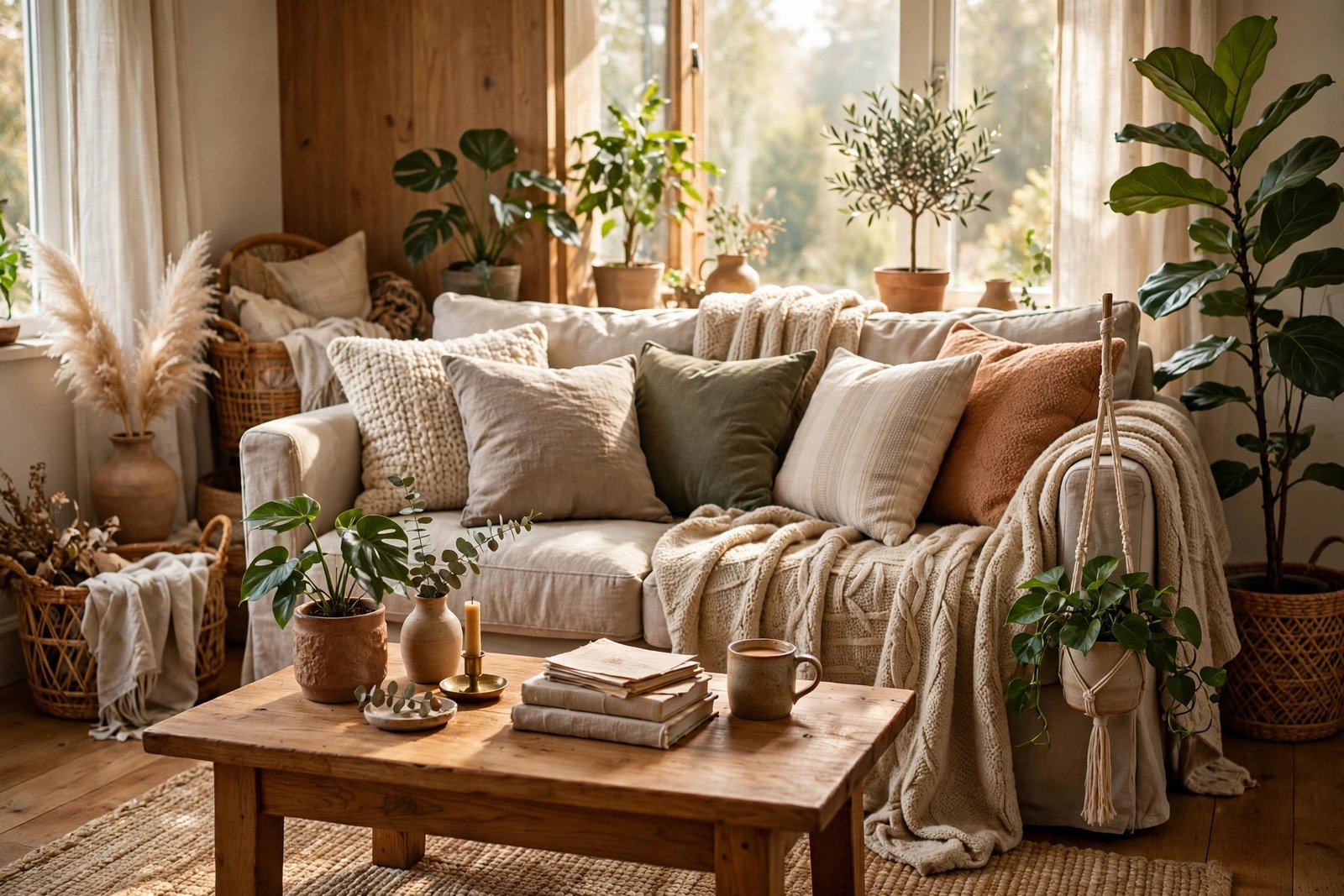
12. Add Texture Through Bedding and Soft Furnishings
A room can feel unfinished even when its colors match. Texture adds depth without requiring more furniture.
Start with the bed. Combine comfortable sheets, a duvet or comforter, and a throw or a few cushions if you enjoy the layered look.
You might pair smooth cotton bedding with a knitted blanket, a textured headboard, and linen-look curtains. Alternatively, use a patterned duvet with simpler surrounding fabrics.
Texture can also come from wood, woven baskets, upholstered seating, rugs, and lampshades.
The key is variety without excess. If the bedding already has a bold pattern, use simpler textures elsewhere. If the room has plain walls and neutral bedding, a textured rug or upholstered chair can make it more interesting.
Choose materials that suit your climate, cleaning routine, and comfort preferences. Thick blankets and heavy fabrics may feel inviting in cooler weather but less practical in a warm bedroom.
13. Add Plants or Natural Materials Where Practical
Plants and natural materials can make a large bedroom feel more relaxed and connected to the outdoors.
A taller plant may work in an empty corner, while a smaller plant can sit on a dresser or windowsill. Choose a plant according to the room’s available light, humidity, and your willingness to care for it.
If natural light is limited, research plants that tolerate those conditions rather than buying one simply because it looks good in a photograph. Artificial plants are another option if maintenance is a concern.
You can also introduce natural materials through wood furniture, woven baskets, linen textiles, or a jute-style rug.
Avoid placing plants where they block walkways, interfere with doors, or create a care problem. If pets share the home, check that any plant you choose is safe for them.
You do not need many plants to make an impact. One well-placed plant or a few natural textures may be enough.
14. Create a Useful Dressing or Vanity Area
A large bedroom may have enough space for a dedicated area to get ready in the morning.
A dressing area could include a dresser, full-length mirror, laundry basket, and a small seat. If you use makeup or skincare products, a compact vanity with suitable lighting and organized storage may be more practical.
Place the area near your wardrobe when possible, so clothing, accessories, and daily essentials remain easy to reach.
Keep the surface organized with trays, drawers, or containers rather than spreading small items across the dresser. This is especially helpful when the room already has several furniture zones.
If you share the bedroom, think about how the arrangement affects both people. A vanity chair or open drawer should not block access to the bed or closet.
For a smaller budget, start by rearranging existing furniture and adding a mirror or storage tray. A separate vanity table is not essential.
15. Add Purposeful Storage or a Compact Workspace
Extra space can be useful for storage, hobbies, or occasional work, but the choice should reflect your actual needs.
A low cabinet can provide storage without making the room feel visually crowded. A bookcase can display books and a few meaningful objects, while closed storage can hide everyday items.
If you work from home occasionally, a compact desk and comfortable chair may make sense. Keep work equipment organized so the bedroom does not feel like an office when you are trying to relax.
If you exercise or stretch in the bedroom, you may prefer to leave a clear section of floor rather than fill it with cabinets or decorative furniture.
This is an important distinction: empty space is not automatically wasted space. A clear area can make a room easier to clean, safer to move around in, and more adaptable as your needs change.
Large Bedroom Layout Ideas for Different Room Shapes
The best large bedroom layout depends on the shape of the room, the position of the windows and doors, and the activities you want to accommodate.
A Wide, Square Bedroom
A square bedroom often allows for a balanced arrangement with the bed centered on one wall and nightstands on either side.
If the room is especially wide, consider placing a sitting area opposite or beside the bed. A rug beneath the seating can help distinguish it from the sleeping zone.
Try to keep the main furniture arrangements visually related. Matching nightstands can provide symmetry near the bed, while a different chair or dresser style can introduce character elsewhere.
Do not force symmetry throughout the entire room. The goal is a balanced arrangement, not a collection of identical furniture pieces.
A Long, Rectangular Bedroom
A long bedroom can feel like a corridor if all the furniture is pushed against the walls or placed in one straight line.
Start by positioning the bed where it makes the most sense for access and window placement. Then consider whether the remaining length can accommodate a dressing area, reading corner, or compact seating arrangement.
Use rugs, lighting, and furniture placement to create visual sections without blocking movement.
For example, the bed may occupy one end of the room while a chair and side table sit near a window at the other end. Repeating the same accent color in both areas can make them feel connected.
If the room is narrow, prioritize comfortable paths before adding another zone.
A Large Bedroom With a Sitting Area
For a bedroom with enough floor space, a separate sitting area can make the room feel more functional.
Place the bed and nightstands in the main sleeping zone. Position two chairs, a small sofa, or a single reading chair in another part of the room, depending on available space.
A rug beneath the seating can define the area. Add a lamp and small table to make it useful rather than purely decorative.
If the bedroom has a fireplace or an attractive view, you might orient the seating toward that feature. Otherwise, position it so the chairs feel connected to the room rather than isolated in a corner.
You do not need to build a wall or install a permanent divider. Furniture placement and rugs can create separate zones while preserving an open layout.
How to Decorate a Big Bedroom on a Budget
A spacious bedroom does not have to be expensive to decorate. In many cases, the most effective improvements involve rearranging what you already own.
Start with a layout change. Move the bed, nightstands, or dresser to see whether the room feels more balanced. Try different arrangements before buying anything.
Reuse existing furniture. A chair from another room may work in a reading corner. A dresser might serve as a vanity with the addition of a mirror. Make sure each piece fits the space and can be used comfortably.
Update the soft furnishings. New pillow covers, a throw, or a simple duvet cover can introduce color and texture without replacing the entire bed setup.
Choose one meaningful focal point. Instead of buying small decorations for every wall, focus on a headboard wall, a large artwork, or a well-arranged seating area.
Use lighting strategically. A bedside lamp or reading light may improve the room more than several decorative objects.
Shop gradually. Live with the new layout before purchasing rugs, seating, or storage. This gives you time to identify what is genuinely missing.
Check secondhand options. Used furniture can be a budget-friendly choice, provided it is in suitable condition and fits your measurements.
If you rent, prioritize changes that suit your lease, such as movable furniture, removable decor, and textiles. Check surface compatibility and removal instructions before using adhesive hooks or temporary wallpaper.
A useful rule is to ask one question before each purchase: What problem will this item solve? If the answer is unclear, wait before buying it.
Common Mistakes to Avoid When Decorating a Large Bedroom
Even a spacious room can feel uncomfortable if the furniture and decor are not arranged thoughtfully.
- Buying furniture just to fill empty space: Leave areas open when they improve movement or support an activity.
- Choosing furniture that is too small: Tiny rugs, narrow artwork, or undersized lamps may look disconnected from the room.
- Choosing furniture that is too large: Oversized pieces can block walking paths and make the room feel crowded.
- Ignoring lighting: One overhead fixture may not provide comfortable light for every activity.
- Using too many competing colors and patterns: Repeat a few colors to connect the different zones.
- Pushing everything against the walls: Some furniture arrangements work better when pieces are grouped into purposeful areas.
- Decorating before measuring: Check dimensions and access routes before spending money.
- Copying trends without considering your needs: A fashionable canopy bed, bold wallpaper, or large seating area may not suit your room or budget.
- Forgetting everyday maintenance: Choose rugs, curtains, plants, and furniture finishes that fit your cleaning routine and lifestyle.
A successful bedroom is not necessarily the one with the most furniture or the most elaborate decorations. It is the one that looks balanced and supports how you live.
Frequently Asked Questions
1. What Are the Seven Golden Rules for Bedroom Design?
There is no single universally accepted set of seven golden rules that every bedroom must follow. However, seven useful principles are to plan the layout, prioritize comfortable movement, choose suitable furniture proportions, create a focal point, use layered lighting, coordinate colors and textures, and keep storage practical.
Apply these principles flexibly. Your room’s shape, your budget, and your daily routine should guide the final decisions.
2. What Are the Bedroom Decorating Trends for 2026?
Design coverage for 2026 highlights warmer color palettes, richer textures, statement headboards, decorative curtains, layered rugs, and more comfortable reading or sitting areas. These are trends rather than requirements, and not every idea will suit every bedroom.
For an overview, see House Beautiful’s 2026 bedroom trend report. You can use one trend, such as textured bedding or a warmer accent color, without redesigning the entire room.
3. What Is the 3-5-7 Rule in Decorating?
The term “3-5-7 rule” is used in some decorating discussions, but it does not have one clearly established, universal meaning across bedroom design. Avoid treating it as a required formula unless a particular designer or source defines the version being discussed.
For a practical alternative, arrange accessories in groups that look balanced with the furniture and available surface space. Then step back and adjust the arrangement until it feels natural rather than crowded.
4. How Do You Fill Empty Space in a Large Bedroom?
First, decide whether the space needs a purpose. If it does, consider a reading nook, a small sitting area, a dressing zone, useful storage, or an open exercise area.
Use a rug, suitable lighting, or furniture placement to make the new zone feel connected to the rest of the room. If the space already improves movement and keeps the room uncluttered, you do not need to fill it.
5. How Can You Make a Large Bedroom Feel Cozy?
Start with a clear furniture arrangement and a coordinated color palette. Add soft bedding, layered lighting, a suitably sized rug, and curtains or upholstered furniture where they make sense.
If the room still feels empty, create one useful secondary zone, such as a reading corner or small seating area. Focus on comfort and visual balance instead of adding decorations to every available surface.
Start With One Useful Change
Decorating a big bedroom becomes easier when you work in stages. Begin by measuring the room, placing the bed, and checking the walking paths. Then decide whether you need a sitting area, reading nook, dressing zone, or simply more open floor space.
Once the layout works, use a few coordinated colors, appropriate furniture, layered lighting, and comfortable textures to bring the room together.
You do not need to complete all 15 ideas at once. Start with the change that will make the biggest difference to your daily life, live with the result, and add other elements only when they serve a clear purpose.
Disclaimer
This article provides general information and decorating suggestions for educational purposes. Furniture placement, wall treatments, electrical work, and installation methods should be adapted to your room, rental agreement, product instructions, and applicable local requirements. Seek qualified professional advice when a project involves structural changes, electrical work, or uncertain installation safety.